Category Archives: Organic Pest Management

How To Kill Mexican Bean Beetles

I used to ask myself, “What’s a Mexican Bean Beetle?” Now, every summer, I ask myself, “Of all the bugs in all the world, why does the Mexican Bean Beetle have to find my garden?”

Mexican bean beetle life cycle

Photo reproduced w/permission of Purdue University

As with any pest, it pays to know your enemy. I call this picture, “The Circle of Life” and am grateful to Purdue University Entomology Department and Dr. Christian Krupke, Principal Investigator, for letting me use it.

If you have been invaded, these are all the forms the enemy takes while ravaging your crops. Since it’s mid-July in Pennsylvania, I know the invasion of my back yard, all organic garden has begun.

Of all the pests I do battle with, the Mexican Bean Beetle is the worst of the worst when it comes to green beans.  One day there is nothing there.  The next day there are some holes in a few leaves on a couple of plants.

Flip up the leaves and if you see pudgy yellow larvae with lots of legs and one big old mouth chewing away, you’ve been invaded. Grab a bucket, sit down, methodically flip up every single leaf on every single plant and crush the yellow menace. Then get up and do it again, tomorrow and the next day or you will lose your bean crop.

Mexican Bean Beetles are members of the lady beetle family.  But they aren’t the Lady Beetle relatives you want in your garden.  Small, copper or khaki colored, these beetles are about 6 mm (1/4 inch) long and 5 mm (1/5 inch) wide.

Pesky bean beetle

Tiny & destructive (Photo credit: Michael Bok)

Some have 8 small black spots on each wing, resembling large lady beetles. Some are brown with barely discernible stripes. No matter what they look like, they’re really wholesale destruction machines.  And they come in force.

How do they find your garden and your bean plants so quickly?

Chances are they never left when the winter came; they simply tucked in to the ground in leaf litter and other sheltered areas in fence rows of your garden plot and waited out the freezing temperatures and the snow.

Adults begin emerging from these protected areas when beans begin sprouting and continue to emerge for up to two months. The adults feed for approximately two weeks before depositing their eggs on the underside of leaves.  And when I say feed, I mean ravage.

Nasty beetles eating everything.

Mexican Bean Beetles will literally eat the life out of my bean plants, if I let them.

Yellow eggs 1 mm (1/20 inch) in length are laid in groups of 40-60 on the lower leaf surfaces.  Females may deposit an egg-mass every two to three days. Eggs hatch in 5-24 days.  Immature larvae are yellow and are covered with large spines.  Larvae feed for two to five weeks before pupation.

You have 3 chances to kill these beetles off – crush the eggs, crush the larvae and crush the mature beetles.  The first two are the easiest but you can catch and kill the beetles too.  You just have to be persistent.  I like to think of it as my summer time exercise program, bend, search, crush, start again.

If you can make it through July and early August, when the greatest amount of injury occurs and the adults begin to disappear, you might save some of your bean harvest.

So, every spring I take a chance and plant some beans.  They grow fast.  They set tons of beans.  If I plant them properly, train them right (if they’re pole beans) and aggressively crush all variations of the Mexican Bean Beetle, I can harvest and enjoy green beans all summer long.


Controlling Japanese Beetles Naturally

I am at war with Japanese beetles, the offspring of last year’s huge and devastating population. This year, I think I’m going to win!

Surround stops Japanese Beetles.

Japanese Beetles hate Surround!

Why? My secret weapon? I am using Surround.

Surround is 95% kaolin clay (5% inert) which is mixed with water and sprayed on plants.

This year, all the blackberries and the blueberries in my yard are wearing coats made

Blueberries covered by Surround.

Beetle free blueberries coated by Surround.

of Surround which I sprayed at the first sign of Japanese Beetles in my back yard.

When I say “first sign” I mean it. Apparently, the beetles release a pheromone when they find good food. Any beetles in the vicinity fly in and start feasting.

Surround doesn’t harm any other insects. But Surround does make berries and leaves taste really bad to the beetles! The proof is on the plants and in the bucket.  This year I have only gotten about 45 beetles, total.

Very few Japanese Beetles in 2016 thanks to Surround

Surround meant fewer than 45 Japanese Beetles in a week!

Last year, I plucked morning and evening, got thousands of Japanese beetles in my bucket and I still lost all the blackberries, beans and apples. The only difference this year is Surround!

Surround also keeps my 10 most hated bugs, including Colorado Potato Beetles, Cucumber and Squash beetles, off of plants so, yes, every squash and cucumber plant in my garden is also sporting a beautiful coat of kaolin clay.

FYI the beetles I have found were on the only 2 plants I didn’t spray with Surround — a Pussy Willow and Borage, which I planted for the bees.

Borage without Surround equals Japanese Beetles.

Borage is one plant I didn’t spray!

Based on my current state, which is only one week into beetle season, I may win the war this year.

If I do, I give all the credit to Surround. If you’re being “bugged,” consider giving it a try.

Battle Japanese Beetles – Organic Tips

Last year, Japanese beetles arrived early and stayed late!

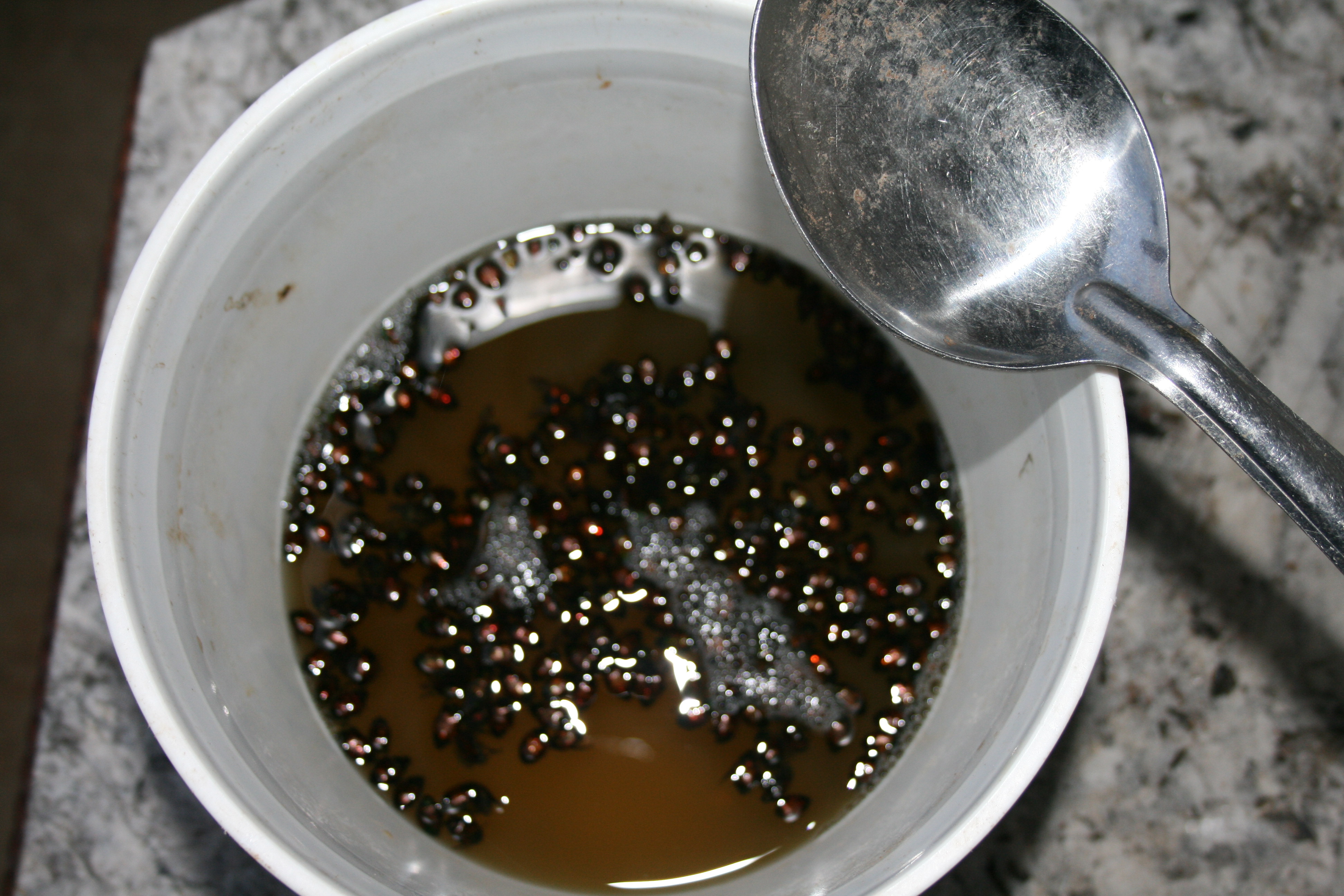
Drowning Japanese Beetles

Japanese Beetles win!

As an organic gardener, all I could do was try to drown as many as possible but I was outnumbered.

They started with my green beans literally wiping out 8 foot high pole bean plants and chewed through my Bumble Beans, too.

Japanese beetles eat green beans.

Green beans fall to Japanese invasion

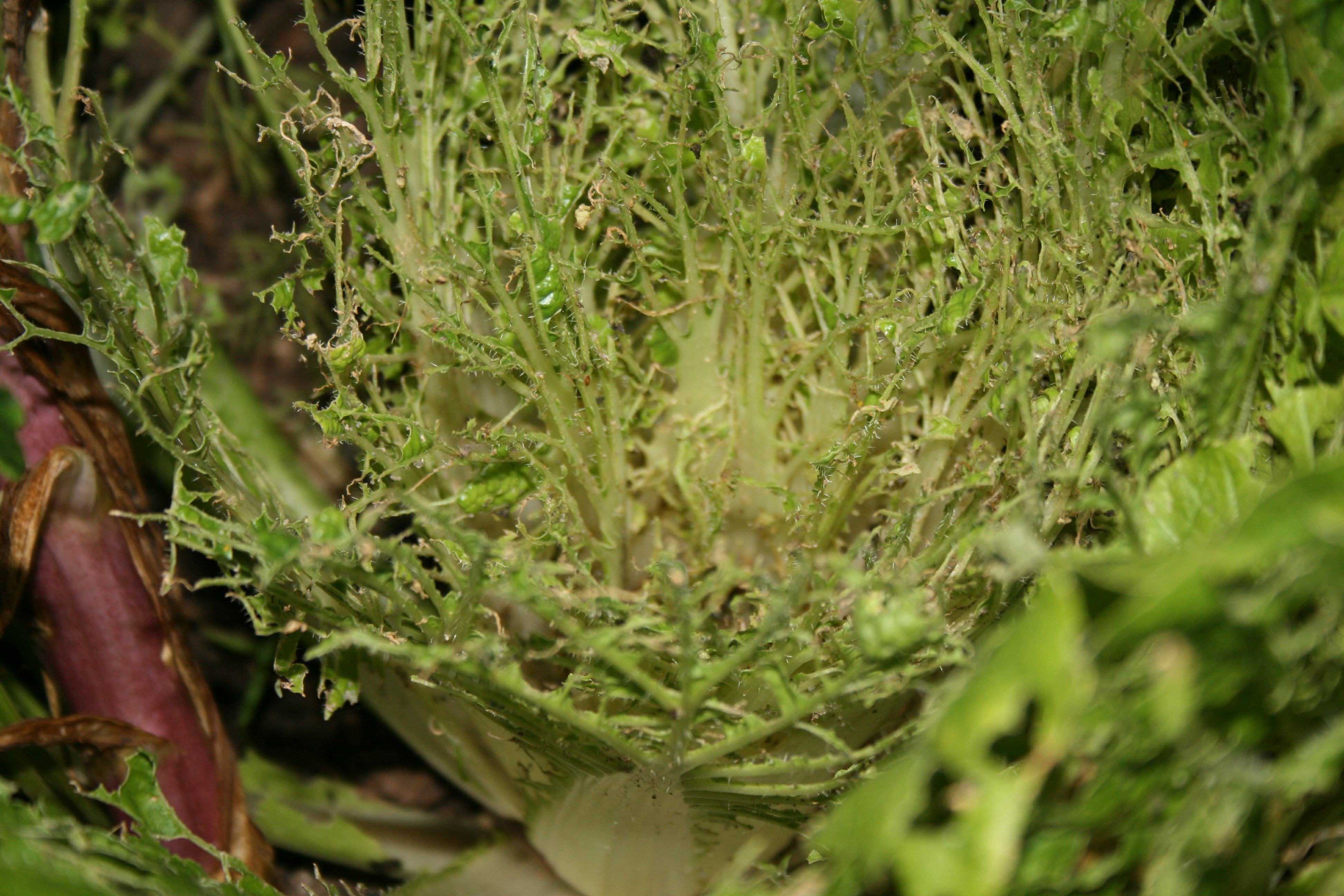
Japanese Beetles destroy Chinese Cabbage

Japanese beetles make lace with Chinese Cabbage.

Japanese Beetles strip my apple tree of leaves.

Every leaf on my apple tree turned to lace. Japanese Beetles!

Then they moved to my Chinese Cabbage. By the time they were done, the plants looked like a bit of lace tatted by devils.

Then they moved to my blackberries. They finished their backyard rampage by stripping every leaf off my 25 foot tall apple tree while I stood by, helpless.

So, this year, I plan on fighting back…organically, of course.

I have ordered 50 pounds of Surround – kaolin clay – from one of my very favorite (and quirky) places to buy plants and products in person and online  — Edible Landscaping.

I need to spray it on the plants when I first sight the Japanese invaders.

However, this summer’s weather is wreaking havoc with predicting their arrival! So, I was wondering if there was a web site that could tell me when these little devils would be arriving in my neighborhood.

That’s how I found Big Bug Hunt!

NOTE: Big Bug Hunt is just getting started which means they are just beginning to collect data so they can’t help us this year. That’s where we come in. Gardeners are asked to report bug sightings in their  back yards and zip codes.

The web site has a few hiccups so you’ll have to be patient if you want to participate.  And I hope you do so I can get a better handle on when the Japanese Beetles will arrive in my backyard!

How To Water Your Garden

Successful organic gardening relies on a series of small but vital choices we, as the gardeners make. Something as simple as where you buy the seed you choose to plant is pivotal in today’s world of GMO where even the seed coat can affect the final product.

The view from the meadow.

Weather can help or hurt a garden.

Some factors, like the volatility of the weather, are out of our hands but other factors like proper hardening, picking the right site for each plant and deciding what day you put your babies in the ground all affect gardening success.

But one of the most important factors is watering. When do you water? How do you deliver the water? How much? How often?

These are all important watering questions but I like to think that “when” is one of the most important. Why? Because timing is vital especially to the “newly transplanted.”

Half a century ago, at my mother’s knee, I learned one tip that has helped me

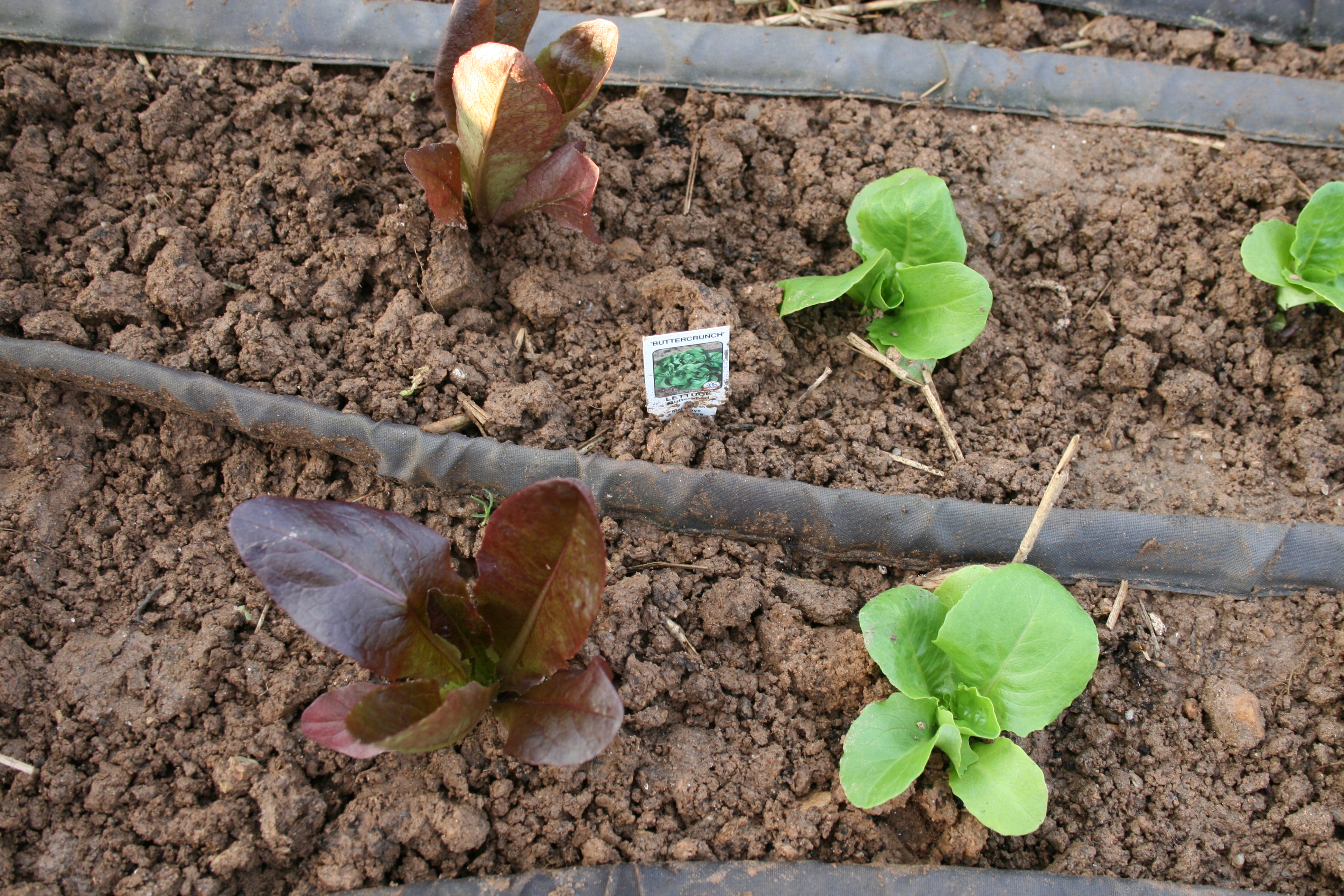
Watering in new transplants is vital.

When you water new transplants is critical.

move vegetable and herb starts from peat pots to the ground, easily.

Transplanting is pretty simple. Dig the hole, peel the peat pot back so that none of it is sticking up above ground level, place the transplant in the new hole and firmly press dirt all around it.

But there is one more step you have to take to help ensure every plant you put in the ground survives. Mom called it, “watering in.”

Watering in is so simple but so many people forget to do it. Once the transplant is in the ground and the earth is tamped down around it, pour a couple of cups of water over the plant. This simple act – watering in – does a couple of critical things. It:

  1. Ensures the roots of your baby and the dirt are in solid contact.
  2. Eliminates air pockets that could dry out bits of the baby roots and kill the plant.
  3. Stops the dirt from acting like a sponge and wicking off the water.

Watering in new transplants works. This year, I transplanted a total of 199 fruits, vegetables, herbs and flowers in my garden. I only lost 2. I credit watering in with my success.

Watering in is just one tip in Deep-Rooted wisdom.

Deep-Rooted Wisdom is my favorite gardening book.

It’s been 60 years since my Mom introduced me to this concept and this summer, for the first time, I read about this technique in what has rapidly become my favorite gardening book.

Deep-Rooted Wisdom by Augustus Jenkins Farmer was a gift from my sister-in-law,(I think the best gift I got for my 68th birthday!) Watering in is just one of the common sense ideas for gardening that the author offers.

Read up, give them a try and let me know what happens in your garden!

If you want more watering tips, check out the best soaker hose I have found! It’s also one of the tools I consider “nice to have.” You can garden without it but over time, the hoses will pay for themselves.

Happy gardening!


Bees Susceptible to Neonics Used on Seeds & Seedlings

Bee on sunflower.

A bee visits one of my sunflowers.

If you’re an organic gardener, you don’t use neonics which we know are killing bees and damaging the environment. Or so you think.

But, if you are not buying organic seeds and organic plants, you very well may be poisoning bees right in your own back yard.

Eartheasy shares the latest information on neonics and on how these deadly herbicides and pesticides have slipped into just about every aspect of the farming and gardening world and the result is devastating.

For example, Marta Spivak, an entomologist and Distinguished McKnight University Professor at the University of Minnesota, suggests that  this could be the foundation for “…the problem of the Varroa destructor mite, which spread widely in the 1990’s. If a bee’s immune system is already compromised by even a low dose of neonics (for example, the concentration found if only the seed of a plant is treated) it can make it all the more difficult for the bee to recover when it encounters the dreaded mite.”

Eartheasy provides more information and more insights on their site. Check it out and find out how we might just be undermining the health and well-being of our bee friends and not even know it!


Backyard Chicken Basics

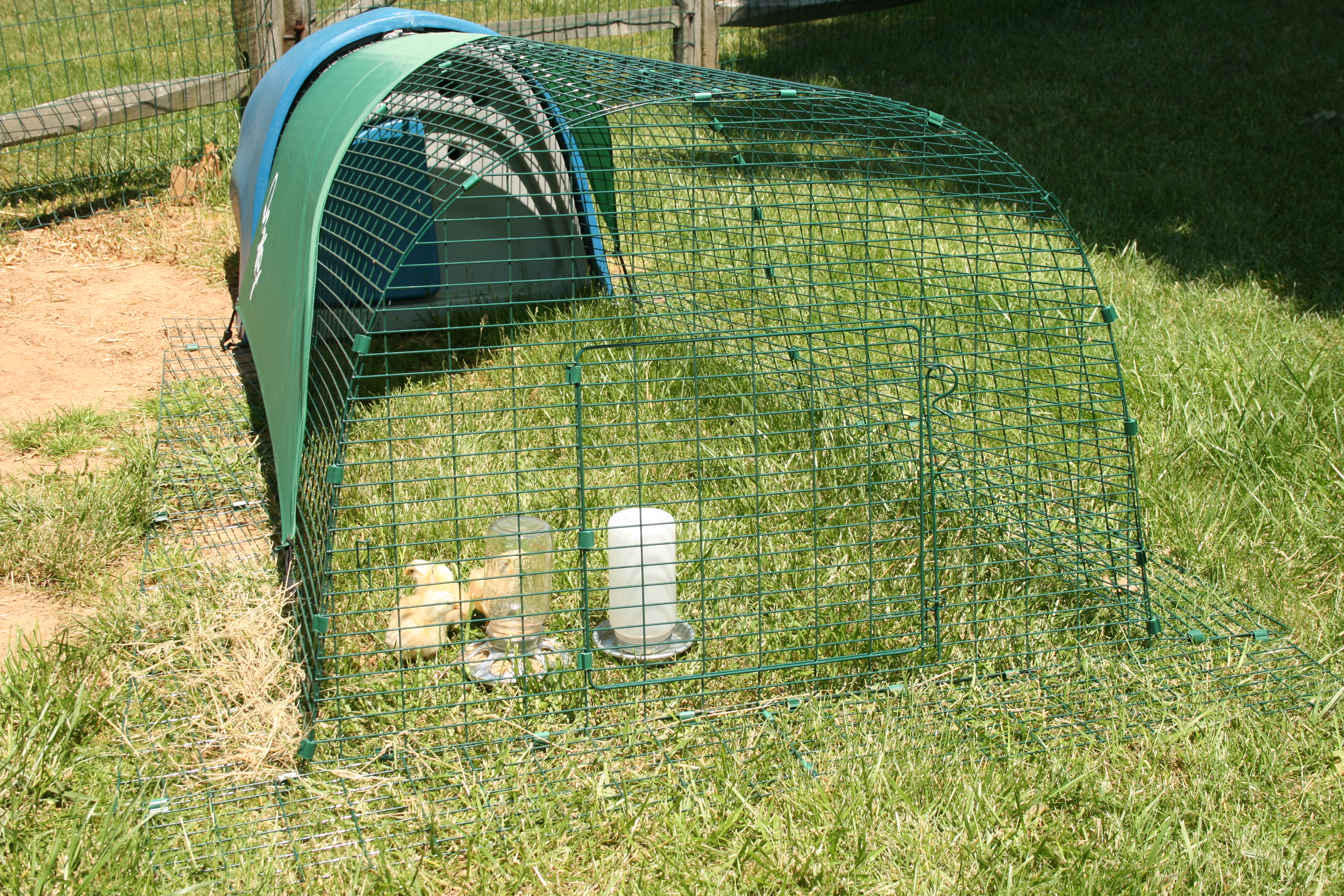
Eglu with baby chicks

The Eglu lets chicks roam, safely.

I always wanted chickens so one year, for my birthday, my husband bought me an Eglu which is a British invention that makes keeping chickens easy and keeps the chickens safe, too.

Once I got their home assembled, it was time to order the chicks!

Because it can get to -20 where I live, I wanted a hardy breed. Research told me that the New Hampshire Red would fit the climate and lay beautiful, brown eggs. So I ordered 4 baby chicks from McMurray.

NOTE:  in case you’re wondering, no chickens died in this story….well they did die but they were old ladies by that time.

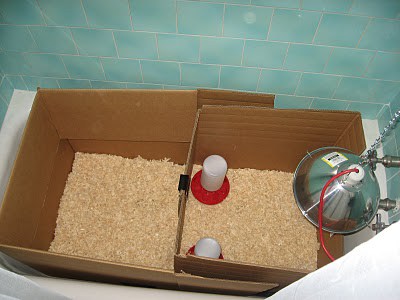
I did my homework on what baby chicks needed, took over the powder room on the lower level of my home and put together a brooder using a large cardboard

A homemade brooder from a box.

My brooder looked like this one from Seattle Seedling.

box, wood shavings (like the ones I use in my horse’s stall), a brooder heat lamp, a galvanized waterer and a little galvanized chick feeder.

When my one-day old chicks arrived in the mail, I was all set.

All 4 babies survived my ill-informed ministrations including cleaning their butts to prevent “pasting up.”

Within a week, they were outside and in their Eglu.

Eglu with baby chicks

The Eglu lets chicks roam, safely.

Baby chicks in their Eglu in my backyard.

The Eglu keeps the chicks safe as they explore the yard.

Here, you see them dining al fresco — enjoying the sun and fresh air without worrying about predators like the hawks and fox that are our neighbors.

So, I was all set for my backyard adventure with chickens, I thought.

However, even though I bought and read the top books on having hens in your backyard and even though I only got 4 baby chicks, I  wasn’t really prepared for getting, raising and caring for chickens.

In fact, once the chickens and I got down to business, I had more questions than answers!

For example, when could I expect my first eggs? Why do chickens but production in winter? How will the chickens do in blizzard conditions and sub-zero temperatures? What the hell is moulting? When does it happen? Is it really painful for the chicken? How do I know if my chicken has bumblefoot? (No joke — it’s called bumblefoot and it’s bad.)

I think if I had known all the things that could go wrong, I never would have gotten chickens. But I did and everyone survived. If I had it to do over, I would still read and research but I’d also get some hands on experience, too!

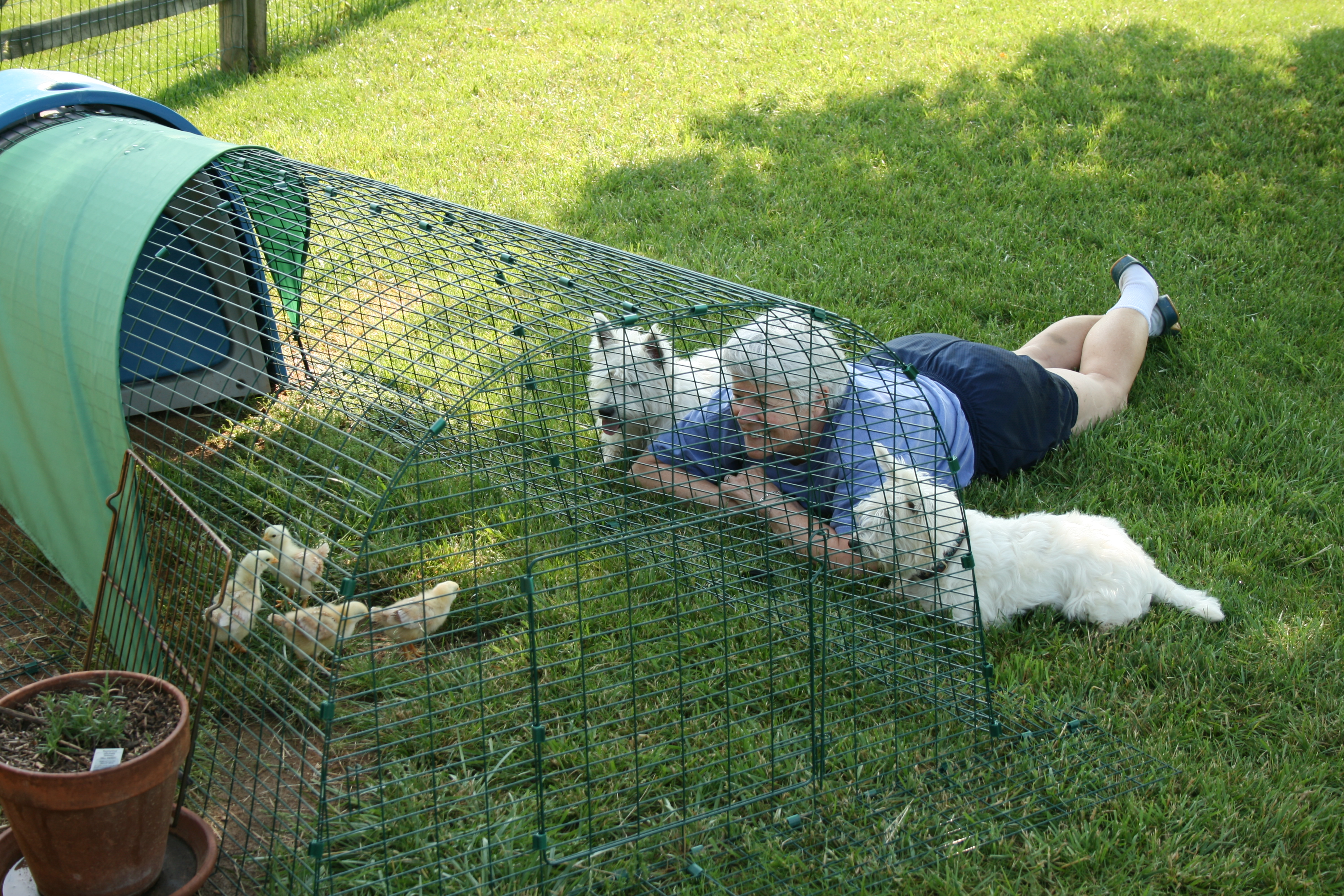
Watching my backyard chicks

Chicken watching with my Westies who seem really interested.

If you have a friend who already has chickens, visit, watch and learn. If not, universities, county extension offices and some hatcheries offer beginner classes.

Or, if your lucky enough to live anywhere near Hockessin, Delaware, you could sign up for the backyard chicken class being held at Mt. Cuba on Saturday, April 2nd!

If you do get into backyard chickens, there are also tons of forums where people just like us are happy to share what they know! And if you’re an organic gardener, chickens are some of the best organic pest control I can think of!

Beekeeping: Getting Started!

The buzz about beekeeping seems to be getting louder or maybe I am just listening a bit better.Bee-apis

Margaret Roach’s podcast this week is with Olivia Carroll, author of The Bees in Your Backyard.

The April-May issue of National Wildlife offers a special issue focused on gardening for wildlife and offering a feature article on nurturing native bees.

Bee on sunflower.

A bee visits one of my sunflowers.

Jacqueline Freeman, natural beekeeper and author, was one of the stars of the recent Food Summit.

Bees have always been something I always dreamed about having in my backyard and this spring, my dream is coming true!

I am taking part in a research project involving “ruburbian”dwellers – not quite a suburbanite and not quite a rube. And I will be getting a hive placed in my back yard, lessons on beekeeping and a chance to care for them all summer long.

And I am trying to win a hive all for myself via Margaret Roach! Bees are her latest giveaway. And I could really use them.

Cherry, apple, pear, and pluot trees share space with 13 blueberry bushes and about as many thornless blackberry canes in my backyard. This spring, I am adding elderberry bushes to my meadow. And I’m currently growing chamomile, fennel and marshmallow in my basement to sow around the new additions and keep the lemon balm, milkweed and sunflowers that are already growing there, company.

Add my very big, totally organic veggie and herb garden and it’s clear that I could use all the pollinating help I can get!

I just completed the Chester County Beekeeping Association’s Beginning Beekeeping so I could make a plan for getting my own bees. And now, I am doing research, reading and getting really excited about getting bees!

I would LOVE to provide a happy, safe, pesticide free home on my 2.3 acre “farmden.”

If you want to get an up close look at bees, visit the National Geographic feature with photographs by Sam Droege and his team who are populating a database using data collected by backyarders around the country.

Tick Control & Lyme Disease Treatment

It’s been a very warm and wet winter here….perfect for a lot of pests to grow and breed and lay their plans of total destruction. One of the worst pests, in my opinion, is the deer tick – the one that carries Lyme disease or Lyme borrelliosis,

Deer ticks carry Lyme disease.

Deer ticks carry Lyme.

just two of the many devastating diseases carried by ticks.

One major problem is that Lyme is easily and frequently misdiagnosed.  The bad news is that physical consequences of a tick-borne illness like Lyme are horrendous and can be slow to show up,arriving years after exposure.

Prevention is your friend.  You don’t want to play host to one of these nasty arachnids but chances are you, one of your kids, your significant other or your dog is going to get bitten.  Here are some ideas for fighting back, preventing bites and treating bites when it’s too late.

Think about buying Martin S Permethrin Sfr Termiticide/Insecticide

I get it on Amazon at a concentration of 38% – that’s more than 5 times the strength of the Pyola you would buy from someplace like Gardens Alive and it’s cheaper.

You may be screaming, “Hey, that’s not organic! Permethrin is actually a synthetic compound that mimics pyrethrin found in chrysanthemums. We use it sparingly and only when needed to spray the perimeter of our fenced in yard. It usually only takes one soaking spray to do the trick.  NOTE: I spray before beneficials and buds show up.  As an organic gardener, I hate to spray but hate the prospect of Lyme disease or borelliosis even more

Buy some permethrin-treated clothing – it might help prevent bites but be aware of the pros/cons per the Environmental Protection Agency (EPA). Clothing is available at REI and Sawyer or you can spray your own clothing to prevent tick bites.   Keep in mind the precautions recommended for skin or eye contact.

Read up about your enemy. My favorite book (illuminating and terrifying) is by Stephen Harold Buhner. I read the 2005 version but Buhner just released a version in 2015 – Healing Lyme : natural prevention and treatment of Lyme borreliosis and its coinfections / Stephen Harrod Buhner.

If you are unlucky enough to be a tick host, Buhner advises you not to wait. Begin a treatment protocol right away!  Even if your doctor says you aren’t positive for Lyme!!

Anyone who owns or a horse or hangs out with the horsy set knows that the most frequently prescribed treatment is Doxycycline.   I only mention this because some physicians refuse to order doxy if the Lyme titres aren’t there.  If you have a horse or know a horse owner, you might be able to find what you’re looking for at the barn.

Whether or not you get doxy, the man who wrote the book on Lyme also has some herbal alternatives you can try, too.

Buhner’s web site has a wealth of information on treating Lyme.  If you go there and click on Prime protocol, you will find a list of recommended herbs and sources for herbal treatments. Note that all of these herbs are also available through Amazon, I think, but beware who makes them.  You want pure and healthful.

Buhner’s Core Protocol
1. Japanese knotweed (Polygonum cuspidatum) (Green Dragon Botanicals) – 1-4 tablets 3-4x daily for 8-12 months;
2. Cat’s claw (Uncaria tomentosa)(Green Dragon Botanicals) – 1-4 tablets 3-4x daily for 2-3 months, then 2-3 capsules 3x daily;
3. Eleuthero (Eleutherococcus senticosus) (HerbPharm tincture) – 1/2 to 1 tsp upon rising and at lunch;
4. Astragalus (Astragalus membranaceus) – 1,000mg daily (not to be used in chronic lyme)

You can also source these from other sites but after reading Buhner’s book, I think I might start with his recommended sources to begin with.

There are few natural or wild things that scare me but ticks are a source of real terror for me. I will prevent them from being in my garden or house if I can. If I can’t, I will make sure I am vigilant, check for ticks on myself and my dogs every day and follow Buhner’s protocol if I find an attached tick.

By the way, you can have any tick tested for $50 at U Mass Amherst. It’s better to know your enemy and be able to show your doctor just what your tick was carrying!

Want more tips on preventing problems with ticks? The Illinois Department of Health offers some straight up ideas for making your summers safer and healthier.

Safe and happy gardening.

Farmer Goes Organic: Shares His Thoughts

This isn’t a small scale farm.  This isn’t a new farmer.  He is 3rd generation and he owns and works 1400 acres of farmland. His name is Klaas Martens. His story is courtesy of EcoWatch.

Why would anyone want to change the only way they had ever known to farm, the way their fathers and grandfathers before them farmed?

Organic family farms

This is the organic family farm across from my house.

After spending an entire day spraying chemicals on his fields and despite his protective suit and mask, Martens lost the use of his right arm and had muscle spasms on his right side.

Eventually, he recovered the use of his arm and body but he just couldn’t bring himself to go back to growing with chemicals. “Going organic was the only decision we could morally make,” he said. “…it just would have been wrong to hire others to do work that I couldn’t do because it made me sick.

After chucking everything he knew about managing the land, Martens had to learn to farm all over again.  Without chemicals and herbicides, he didn’t really know how to grow and protect his crops.

So, how did he learn new methods to handle threats to his crops? The old-fashioned way; he did research.  One day, he read a quote by a German agricultural researcher that changed his way of thinking:

“Cultural practices form the basis of all weed control. Various other means should be regarded as auxiliary only,” wrote Bernard Rademacher, an early researcher in weed management.

Instead of trying to control the weeds, Martens realized he should be looking at why the weeds were there – what practice was he using that made his farm a good habitat for weeds?

Martens’ answer? Don’t fight the weeds; understand them. Completely and fully, within the context of everything else around them.

Converting his farm wasn’t easy for Martens but he and his wife learned a lot in the process and shared a lot in a two part article for Rodale Institute.  Part 2 of the Farms R Us article has a nice list of resources for anyone who would like to take a deeper dive into converting to organic farming.

It was risky and a bit scary to make the switch but the couple has enjoyed growing organically, finding markets for their crops and knowing that they no longer add poisons to the earth or the water.

If a man farming 1400 acres can go organic, every backyard gardener should be able to do the same.  If you are an organic gardener, you already know that weeds can tell you volumes about the health of your soil and your gardening practices.

Take a note from Martens, listen to your weeds. Once you get a handle on why they are happy to grow in your garden, you have two choices:

  1. Find out what organic methods you can use to get your soil back on track and move the weeds to your neighbors’ gardens.
  2. Grow and eat them! Dandelions, purslane and chickweed are free greens and I enjoy them as much as I do my kale, spinach and leaf lettuce!

Going organic isn’t hard; it;s just different.  And the conversion takes a bit of research and a bit of thought.  What better month than January to do both?

Gleanings from Sustainabilty Series w/Nathan Crane

Day 3 of this fabulous series and I am just learning so much and being validated in a whole lot of ways as I enjoy the Search for Sustainability.

Episode 3 is about health, your health and how you can get it back.  and do so without medicines, doctors, surgery.  The easiest change? Get rid of processed foods.  Just get rid of them and grow your own!

Organic gardening depends on dirt.

Growing your own organic veggies is easy.

You will save money.  You will save yourself.  And you will feel better.  Those messages come through loud and clear and I am living proof that they are true. I’ve lost 60 pounds I didn’t know I had to lose.

My husband has lost 45 pounds and is still losing.  His blood sugar is normalizing — after 20 years of Type 2 diabetes.  It’s good news and it is easy to do just by making that the choice to grow or buy organic produce.

Organic gardening for everyone who thinks it's hard.

Tips & tricks to make gardening easy & fun.

Growing organic veggies and fruits is easy, it’s fun and it’s a way to share what you learned from your mom or dad, your aunts and your friends like I did in my book.

There are other choices that are also coming through loud and clear in this series.

Do it!

The motto of a very famous shoe company should also be your motto.  Just do it.  Once you start, you will find it just gets easier and easier because you start feeling better.

Live it!

Live this life of health and renewal and joy.  Step back into the real world with other people who are choosing health and growing or buying organic foods.

Teach it.

There is nothing more rewarding than being able to share what you have learned on your journey through life.  This is where Nathan Crane is.  This is where many of the people in this series are – teaching it.  This is what I do in my book.

Even if you don’t feel you are ready, just watch. Maybe just take one small step because that’s what sustainability is all about.  Make one small change, today.