Category Archives: Tools for the Organic Gardener

April; The Cruelest Month for Gardeners

April blooms

Blooming April in my yard.

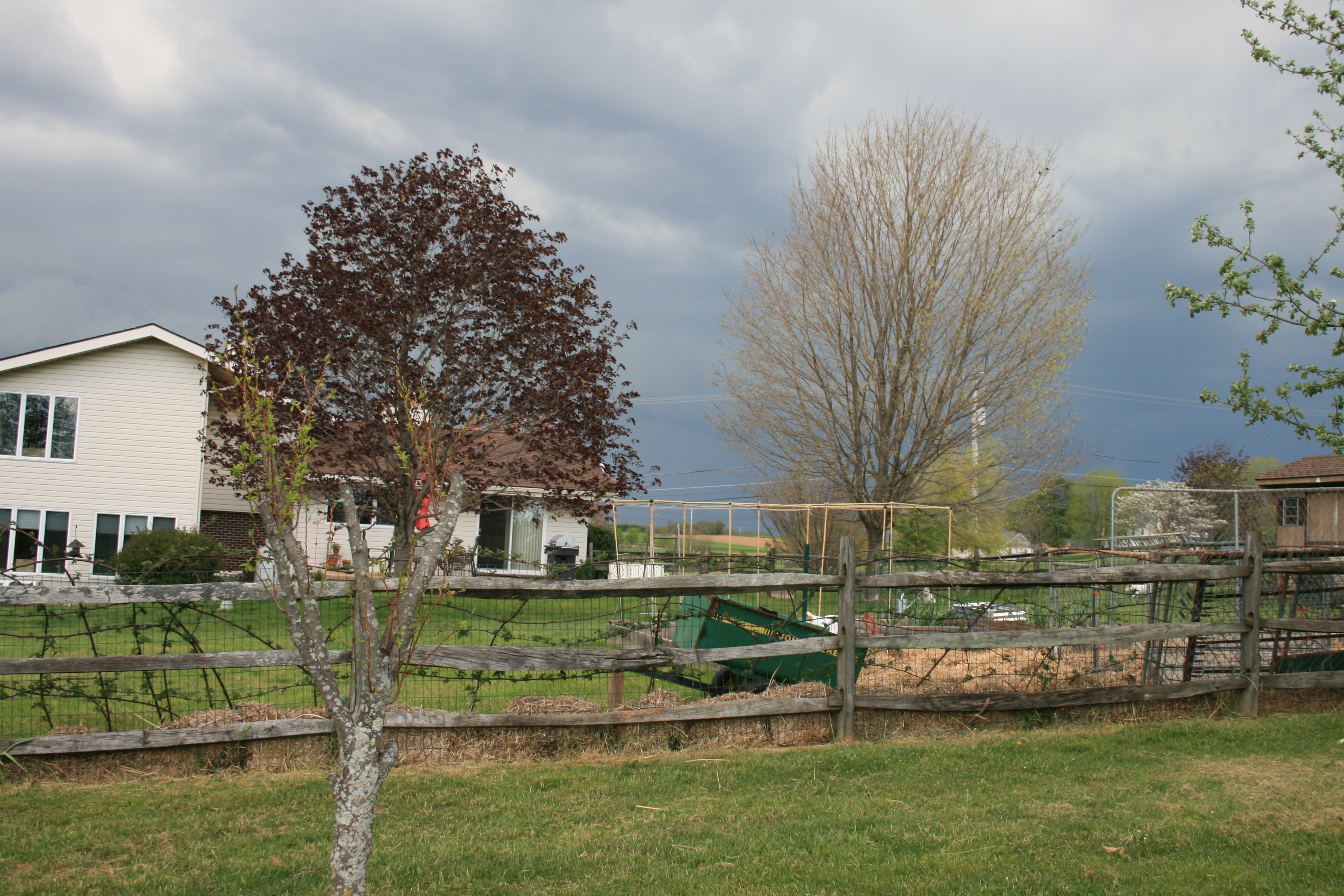
It is April, beautiful April in my backyard.

When I walk into my garden, I know that no matter what goes on in Washington, D.C., I have this patch of peace, of paradise, to turn to.

And there is so much promise out there, now, beckoning.

Cherries, apples and blueberries are in full bloom!

Apples trees covered in blossoms.

Apple trees in full bloom.

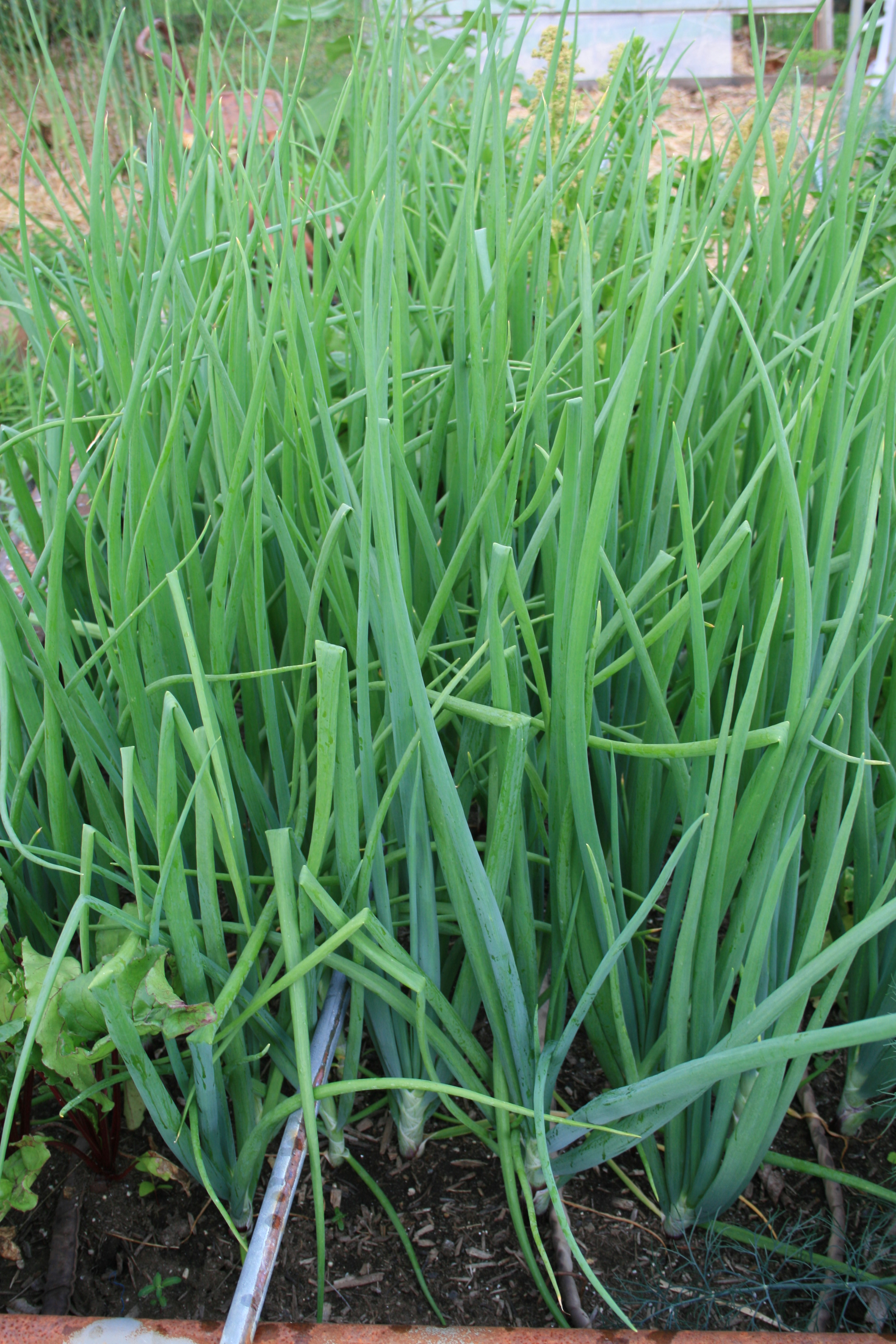
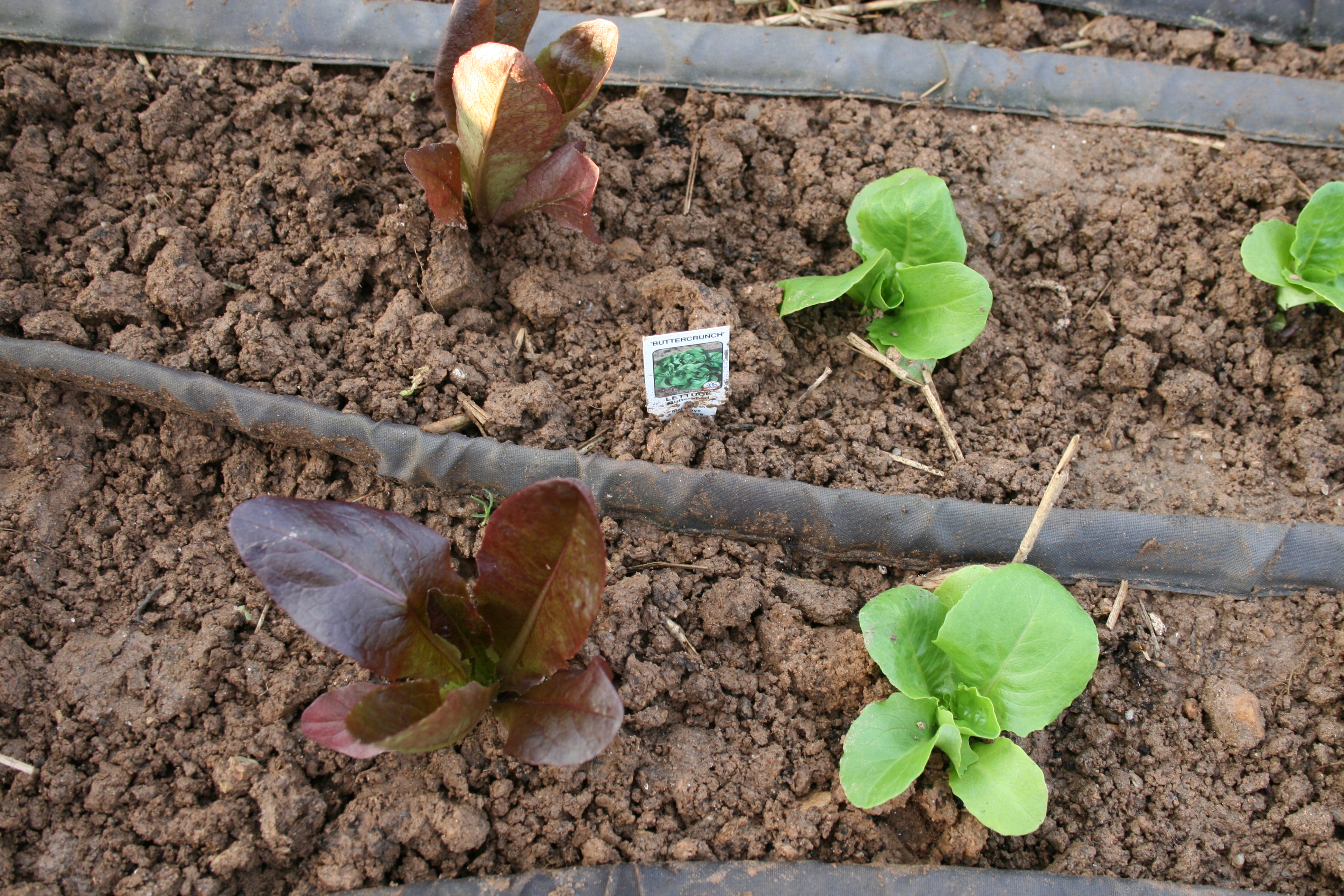
Onions are rising straight up out of the dark soil and straw that make their beds and baby beets, lettuce and spinach are sprouting, everywhere.

April means onions, lettuce and spinach sprouting.

Onions, lettuce and spinach growing in April.

Everything is growing!

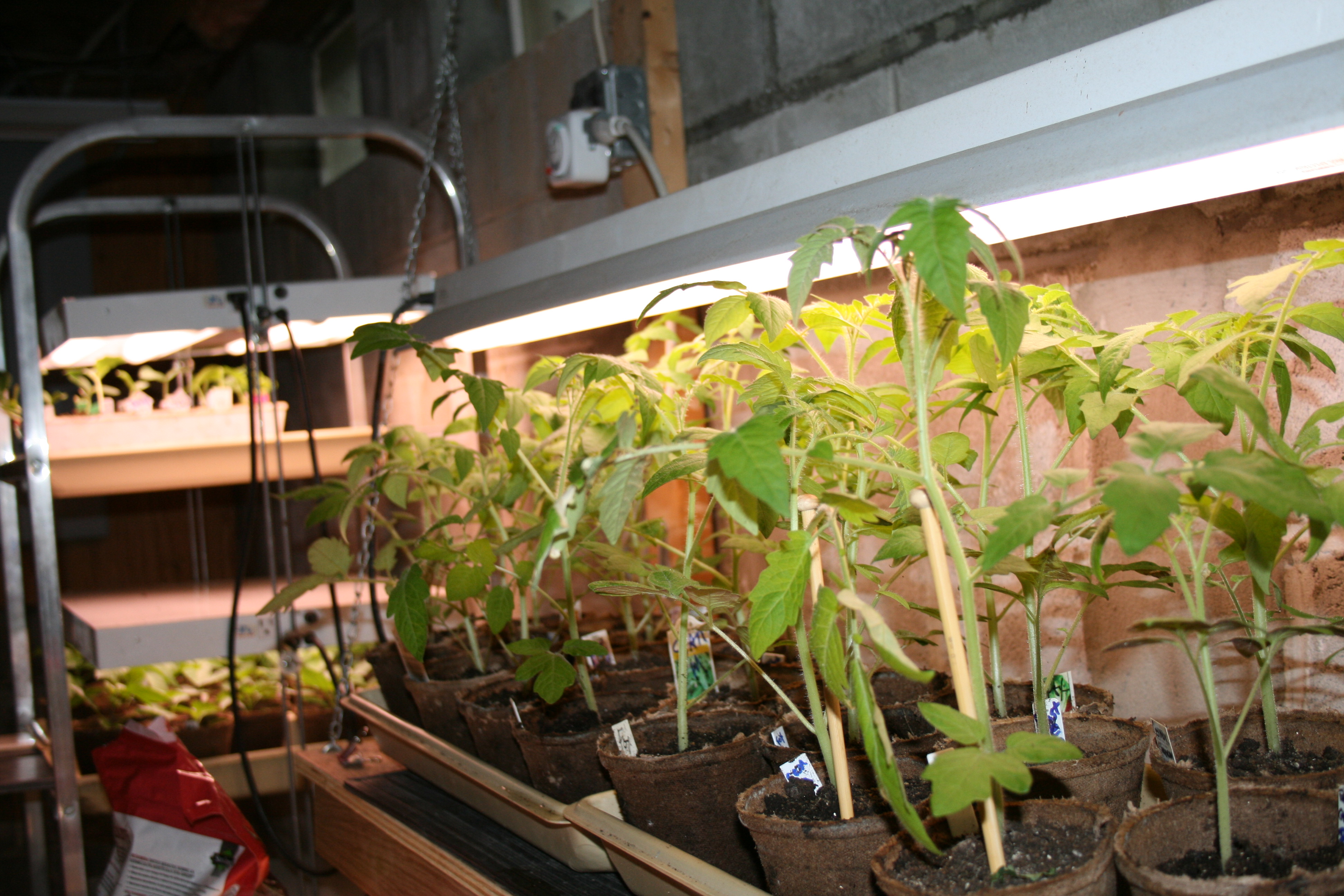
So why is April the cruelest month for gardeners? I have 20+ tomato plants in my basement, hard by 20+ sweet peppers, varying varieties begging to be planted.

Tomatoes and peppers in pots.

Eggplant are rising up in their cells, growing taller and stronger every single day.

Raised from seed, started in early February, lovingly cared for, they are so tall, so hardy looking, so ready.

My fingers itch to set them out in the deep rich soil I have prepped for them. But I can’t.

Raised beds for my tomatoes

Bed waiting for tomatoes!

If I put them out now, they will flounder; they will stop growing. They will be delayed in both flowering and fruiting. Why?

The days are warm; we’ve already hit the low 80’s a couple of times. But the soil is still too cold as are the nights. Setting Mediterranean plants in cool Pennsylvania soil now would mean later, smaller harvests of tomatoes and quite likely no harvest of either peppers or eggplant.

So, like all the gardeners everywhere who are poised to plant in April, I wait for the warm soil and soft breezes of mid-May when I fill all these beds with the plants I have been spending time with, worrying over and feeding for 3 months.

Great List of Top Spring Yard Chores

Spring list of chores

Spring list of things to do!

Got a lot of energy now that Spring has sprung?

Looking for some ideas for a little outdoor fun?

Your backyard is waiting and Eartheasy has the perfect list of ways to spend some sweet hours in the dirt!

Here are some of my favorites:

  1. when it’s dry enough, ‘top dress’ beds.
    Top dress garden beds with compost or well-seasoned manure in preparation for planting. Resist the urge to dig the bed; established beds have a complex soil ecosystem which is best left undisturbed. Nutrients added from the top will work their way down into the soil.
  2. protect seedlings from hard frosts.
    Early spring plantings are vulnerable to hard frost which can set in overnight. If you expect a hard frost, cover seedlings overnight with anything you have on hand – an overturned bucket or cardboard box (with a rock on top) or large flower pot, a portable garden cloche, or a cold frame. I use old bushel baskets.
  3. apply horticultural oil sprays to pear and apple trees.
    Apply oil spray to pears just as the buds begin to swell and then again 10 days later to control pear psylla and pear leaf blister mite. Make a single application of oil on apple trees when a half-inch of green tissue is visible in developing buds.

All of these chores are ones that should be done early in Spring and with all that restless energy just looking for an outlet, now is the perfect time to get the tools, and your gloves and get outdoors.

Enjoy!


How To – Onion Planting Time!

It’s time to get the onion sets in the ground!

As usual, I over-ordered. I got 150 onion plants, delivered from Dixondale Farms on Wednesday – 100 Red Candy Apple and 50 Red River!

Onion plants ready for the garden

150 onion plants

As usual, it is raining on onion planting day, cold, light but steady rain, falling, falling, falling.

It will be cold and damp in the garden. My hands will be numb by the time these babies are in the ground but…this is the best time and the best type of weather to put them in the garden.

Onions planted in soil

Onions set in soil

Holes are dug with my compost fork, sets are dropped in, no deeper than an inch and soil is firmed around each one.

A light dusting of straw is put in place and now its time for the onions to get started. They will relax into  the rich, moist earth and the magic of the  

Onions covered with straw

Onions covered with straw

soil will start its work.

Onions planted in March

2016 Onion Crop in June

Once planted, onions need a bit of food, every 2 weeks. Mine get homemade fish emulsion from my 55 gallon drum of fertilizer.

Then, come June, I will have 150 gorgeous, red globes of onion waiting to be harvested just like these beauties from my 2016 crop.

Want more on how to plant and grow onions? Check out my full post with tips and tricks for growing these beautiful additions to your garden!

Zika Virus Protection & Tips

It’s early March. Why write about Zika Virus now?

I killed my first mosquito yesterday. It’s a bit early but, while occasionally cold, the frozen North hasn’t been all that frozen in 2017. And the news about the spread of Zika, for those of us in the Northeast, is not good – 6 cases in Maryland, already.

Aeses Aegypti carries Zika.

Aeses Aegypti carries Zika.

Sighting that first mosquito in March says it’s time to offer some information about the mosquito known as Aedes aegypti – the carrier for Zika, the same mosquito that carried dengue fever, yellow fever and Japanese encephalitis.

Before you dismiss this little pest because you’re not in your child-bearing years or you don’t have sex, keep in mind that the Zika virus can directly affect adult brain cells.

Zika also can make you sick, very sick. Here, in order of occurrence, according to Dr. Michael Callahan, the foremost authority on Zika and head of The Zika Foundation, are the symptoms of viral infection from Aedes Aegypti:

  1. A feeling of being unwell and/or having a chill with a touch of fever
  2. A high fever
  3. A headache in the upper frontal area of your head
  4. Myalgia or muscle aches in the lower back, upper legs and shoulders
  5. Conjunctivitis followed by reddening of the white of the eye, itself.
  6. A rash on the trunk first then possibly moving to the inside of the arm.

That’s not a nice symptom list but Aedes Aegypti has some tendencies that make it a bit easier for us to become more aware of and be more aggressive in protecting ourselves:

  1. The Aedes Aegypti is black and white – black with white scales on its legs – so keep an eye out for that pattern.
  2. This mosquito is a weak flier so it prefers to bite indoors! And it’s a day time biter, unlike its cousins.  So be on the lookout, indoors and kill mosquitoes you see.
  3. This mosquito uses silent flight – you won’t hear it buzzing your ears.
  4. Aedes Aegypti is aware of you looking at it and will hop off, “kettle” around your body and bite you on the back of your head, below the knees or on your feet.

Because of this mosquito’s unique lifestyle, all the pesticides being sprayed in your neighborhoods are a waste of money and a huge risk to your health. But you can protect yourself by using one of 3 repellents deemed safe for pregnant women and known to keep these mosquitoes off for up to 6 hours:

  1. DEET – your grandmother’s repellent
  2. Lemon of Eucalyptus – a newcomer but very effective
  3. Picardin – used by the DOD to protect soldiers

By the way, these repellents also work to repel ticks and fleas.

I can’t speak for you but I am really going to be on the lookout for these winged pests. If you want to arm yourself with more information about the Zika virus and how to keep yourself and your family safe, watch Dr. David Perlmutter’s interesting and in-depth interview with Dr. Michael Callahan of the Zika Foundation.

Want even more info? Visit the CDC for their in-depth information and tips on avoidiing all mosquito bites….not just Aedes Aegypti.

Photo courtesy of CDC/ Prof. Frank Hadley Collins, Dir., Cntr. for Global Health and Infectious Diseases, Univ. of Notre Dame.

Tips for Getting Your Beets Started Early

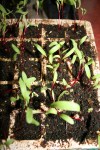
Baby beets grown indoors from seed.

Transplant beets started indoors outdoors as soon as you can work the soil.

Want to get a jump start on your garden? Get your beet babies started, indoors!

Beets are known as cool season crops.  They really like cool temperatures and can be seeded as soon as you can work the soil.  They can also be started indoors and February is the month to get going.

My mom raised the absolute best beets I have ever eaten.  Every time I drove to her farm in the far end of Virginia, she would somehow know exactly when I was arriving.  There, on the table, steam rising, butter melting, would be a big bowl of sliced beets, just for me.

But I never planted beets in my own garden, not before she died, not after she died.  Then, one day, while browsing through GrowItalian.com, I saw Chioggia beets.

Beautiful, round and ruby-red on the outside but when you cut them open, there are concentric white bands all the way through each slice. I fell in love with beets, again.

Beets Are Easy Peasy
I’ve had beets in my garden now for the last 5 years and think they are among the easiest plants to grow.  But if you Google “growing beets,” you will literally get more than 1 million entries.

Don’t be scared!

There are only a couple of things you need to know to raise not just 1 but at least 2 crops of beets every year. (That’s how many I can grow in Zone 6a.)  WARNING: if you ignore what you are about to read, you will get red marbles…that will not cook or eat easy.  I know.  My first crop was used in a game of ringer.

The Dirt
This is almost one of the only requirements of beets and it’s one of the most important.  It’s also the bit of information I didn’t have when I raised my first crop of red marbles.  Beets really, really like loose, well-drained soil. They will put up with a wide range of conditions but won’t grow as big or as beautiful.

So do a bit of soil prep if you can. It may take a bit of time and effort but it’s worth it; I know.  And if you get the soil right, it’s smooth sailing to harvest time.

Remove stones since they will hinder growth.  If you’re growing in clay, add compost to loosen the soil and keep the soil from crusting after watering or rainfall.  And make sure your soil is acidic – beets like a pH range of 6.2 to 6.8.

When To Plant
Don’t plant in the middle of your summer season.  Beets won’t like it.  They are a perfect cool weather crop.  Although they can live through the heat (like the rest of us), they prefer a temperatures of 60 to 65 F and bright sunny days but they can also survive cold weather as long as they don’t get caught in a freeze.  So, beets are a great, “long-season” crop.

How To Plant
You can (and I do) start beets indoors but beet seeds are also outdoor babies from the get go.  As soon as your soil can be worked in the spring, you can plant them.  The seeds aren’t really just one seed – each of these little jewels contains a couple of beet seeds.  Sow the seeds 1/2-inch deep and I drop each seed about 3 inches away from the other seeds.  I also plant in rows about 12 inches apart.

Beets seeds are pretty slow to germinate so make sure you keep the bed moist until you see their little heads peeking out of the soil.  I usually water a bit, every day.  Once they start to pop up through the soil, I keep watering but usually every other day.

Once they are established, just make sure that you don’t let them dry out.  But don’t over water either.  Too dry or too wet and your beets will not be happy.

Transplanting
TIP:  I don’t thin; I transplant.
Most advice online and in books says you have to thin beets rather than transplant.  Wrong! Despite what people will tell you, you can transplant beet seedlings and almost double your crop. And it’s easy to do.

I wait until the leaves on the plants are about 2 inches long before I try transplanting.  The night before the big move, I water the bed thoroughly.  Then, early in the morning, armed with a #2 pencil, I head to the raised bed where my beets live.

I look for beet plants that are too close together. Because I’m not be most patient person when dropping seeds in soil, I can usually find 3 or 4 beet babies clumped together.

DON’T PULL THEM OUT ONE BY ONE! Once I’ve found the baby beet clump I want to move, using a tablespoon or serving spoon, I gently dig around the whole clump and bring up a spoon full of soil with the beet roots intact.  Then I push my pencil into the ground, making holes spaced about 3 inches apart, for each of the babies.

Teasing the roots apart, gently, (a trick I learned from my Amish neighbors) I drop each beet baby into its own hole, pack dirt gently around it and move on to the next clump.

I have not lost one beet baby using this method and I practically double my yield.  Oh, and beets are a twofer in my garden – I also eat beet greens in salads.  Wait until the leaves are 3 to 4 inches high, then cut a couple off each beet plant.  The beets will keep growing and you’ll have some truly delicious greens for lunch or dinner.

Care & Feeding
Like I said, beets are easy peasy.

I have never fertilized my beets and they grow like champions.  It could be because I enrich my raised beds with a bit of compost every spring.  I do put a bit of mulch – straw – down around the plants once I divide and transplant them.  It helps hold moisture during the hotter, summer days.

Keep The Beets Coming
I plant in March, April, May then hold off until early August when I start putting in seeds, again.  I do that to avoid asking the beet seeds to germinate when the daytime temperature is above 80 degrees.  They don’t like it.  Plant in early August and within 55 to 70 days, you should have your next crop.

Nowadays there are so many varieties of beet to choose from — Early Wonder, Detroit Dark Red, and Red Ace.  You can even add some color to your beet dishes with the lovely striped Chioggia (which started me on my life of beet crime) or Burpee Golden and Albino White

No matter how you slice them…beets are a great addition to any garden.

By the way, one of my favorite resources when I am trying to get solid, basic growing information is colleges like Cornell, which posted a nice guide to growing beets.

Buy butter from grass-fed, organic cows and dig in to one of my favorite dishes. Happy Valentine’s Day, every body!

If you want fast access to all my gardening tips and tricks, you will find them in my Kindle book, Grow So Easy; Organic Gardening for the Rest of Us.

Tips for Starting Lettuce Indoors


Lettuce seedlings started indoors

Tiny lettuce plants in grow tray.

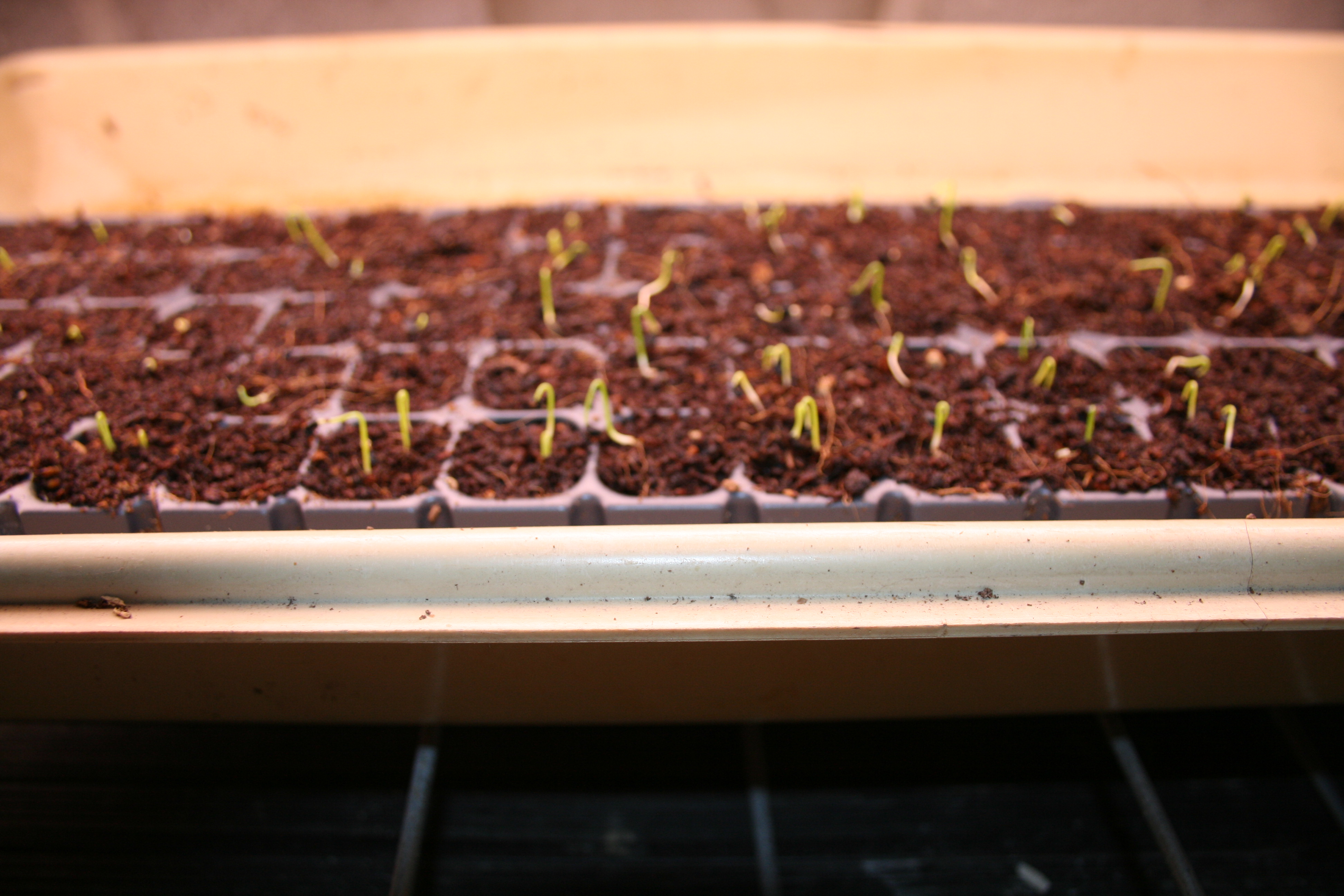
Look closely. Can you see them? Tiny, the size of a filament, maybe a bit bigger than a human hair.

You are looking a freshly sprouted lettuce.  I tucked these seeds in this grow tray 3 days ago – moist seed starting mix, a dash of vermiculite on top and water in the tray.

They came up on their own.

Lettuce likes the cold and doesn’t need light to sprout. Once they stick their heads up out of the soil, all you have to do is keep the soil moist and the light on (for 10 hours) and close to the seedlings so they don’t get spindly.

Lettuce plants ready to transplant.

Lettuce plants just before transplant.

In 4 or 5 weeks, these tiny plants will look like these babies, which are about ready to be hardened off and transplanted so they can enjoy the cool days and cooler nights of early spring.

I put my first crop of lettuce in the ground when the price for 12 ounces of the organic stuff hit $5.98 a bag.  That comes to $18 a week for just a bit over a pound of green leafy lettuce.  I haven’t looked back since.

Why?

Transplant lettuce in March.

Transplanting lettuce is easy.

Lettuce is one of the easiest crops I have ever raised.  And, it’s a two-fer! Save your seeds and pay no more (well maybe you’ll have to buy seed every 3 or 4 years). Just keep planting and harvesting.

If you want to grow organic, you have to be particular about whose seed you buy. I want organic seed, especially if I plan on saving and sowing.  And I want flavorful leaf lettuce — not head lettuce you have to chop with a cleaver.  And I definitely do not want Genetically Modified (GMO) seed.

There are four places I buy seed:

Adaptive Seeds – this is relatively new company, established in 2009 and based at Open Oak Farm in Sweet Home, Oregon. Their seeds are absolutely wonderful.  The moving forces behind this company – Sarah Kleeger and Andrew Still — are devoted to “…finding, stewarding and sharing rare, diverse and resilient seed varieties for ecologically-minded farmers, gardeners and seed savers.” They sell only public domain, open pollinated (OP) seed, as well as many diverse gene pool mixes.

Hudson Valley Seed Library –  the variety they offer is impressive.  Their seed is  locally grown in a climate and soil not unlike mine here in Zone 6b.  And this company helps support school and community gardeners with donations of seeds.

Territorial Seeds – kind of the granddaddy of organic seed growers, this company was organic before organic went mainstream.  Family owned, Territorial Seeds has a fantastic reputation for the seeds it sells and the customer service it brings to the table.

Grow Italian – I discovered this company more than a decade ago and it’s my go to seed company for all things Italian including some lettuce and mixed greens.  When you buy a packet of lattuga from them, you get high quality, high-germinating seeds and a lot of them.

Lettuce is an easy crop to grow and so tasty.

I think the hardest part of growing lettuce is picking the kinds you want to try.  But once you have your seeds, planting is so easy, you’ll wonder why you didn’t do it sooner.

I supplement my indoor seedlings by sowing seeds right in the garden bed.  One problem with sowing lettuce is that the seeds are small and lightweight and they tend to drop into the dirt in clumps or blow off my hand. I used to have a hard time getting them to spread out on the soil but here’s a trick my sister taught me.

  1. Get some soil – take it from your garden if it’s rich and light or grab some potting mix.
  2. Fill a quart jar about 2/3rds full of the soil.
  3. Put lettuce seeds in the jar.  I put different types together so I grow my own “mixed greens.”
  4. Shake the jar until all the seeds are mixed, uniformly, through the soil.
  5. Gently shake the soil out of the jar and into your beds. If you can still see some of them, put just a tiny bit of dirt over the visible ones.
  6. Water the seeds in.

Then all you have to do is water every day until the seeds sprout.  Then water weekly and wait for the lettuce to grow.

A few more tips:

  1. Don’t plant in the summer!  Lettuce, like beets, likes cool weather. Plant in the spring and again in August for harvest in late September and October.
  2. Start lettuce plants indoors if you want.  I use 40-cell growing trays and start mine in early February.  When I transplant, I cover the babies with a small tunnel to protect them from frost.
  3. When you cut lettuce leaves, don’t cut them down to the ground.  Cut about an inch from the bottom and you will get a second crop.
  4. If you want to save the seeds, plant for a spring harvest but only cut the first crop.  Let the second set of lettuce leaves grow up and flower.  Then wait.  It will be tempting to take the flower heads off when they get their puffy, white hair.  DON’T.  The seeds need to mature.  Wait until the heads are dry, brown and about ready to burst.  Then pull the seed heads off, take the seeds out and let them dry in a small strainer for a couple of weeks.  I refrigerate mine once they’re dry and plant them in the fall.

So while the wind howls around our house, I am happily ensconced in the basement playing with and planting lettuce seeds.

Excerpted from my book – Grow So Easy: Organic Gardening for the Rest of Us – a guide to easy, fun and productive organic gardening for everyone.

Starting Seeds Indoors – IT’S TIME!

My palms are itching. My toes are tapping. My heart is beating faster! It’s time to

Starting seeds indoors is easy

Starting indoors seeds is easy!

start my seedlings!

Not all of them, you understand but it’s  enough for me to start the cool weather babies — lettuce, kale, beets and maybe even a Brassica or two.

Seed starting is really easy as long as you pay attention to a few basics:

Buy the right seed. Now what in the world does that mean? Seed is seed, right? Not in today’s world. Unless it’s certified organic, you could be buying seeds infused with herbicides and pesticides. And guess what? The herbicide and pesticide actually grow right into your plants and right into your produce.

So, only buy 100% certified organic seeds. Where? My favorite outlets for healthy and happy seeds are:

  1. Seeds of Change
  2. Seed Savers Exchange
  3. High Mowing Seeds
  4. Hudson Valley Seeds
  5. Territorial Seeds

These folks have healthy seeds that ensure you grow healthy plants and healthy produce. And they have ideas, tips and equipment for getting started. NOTE: you do NOT have to buy a whole lot of “stuff” to start gardening.

Start your seeds in the right dirt. I know, dirt is dirt. But is it? And what

Seedlings get a good start in healthy dirt.

Healthy dirt means healthy seedlings.

difference does dirt make to growing healthy, happy plants and healthful food? Dirt is everything.

This is one thing I buy every year. Why? Because dirt for starting seeds has to be organic. I get mine from Gardener’s Supply – employee owned and US-based, their seed starting mix has stood the test of time for more than 25 years!

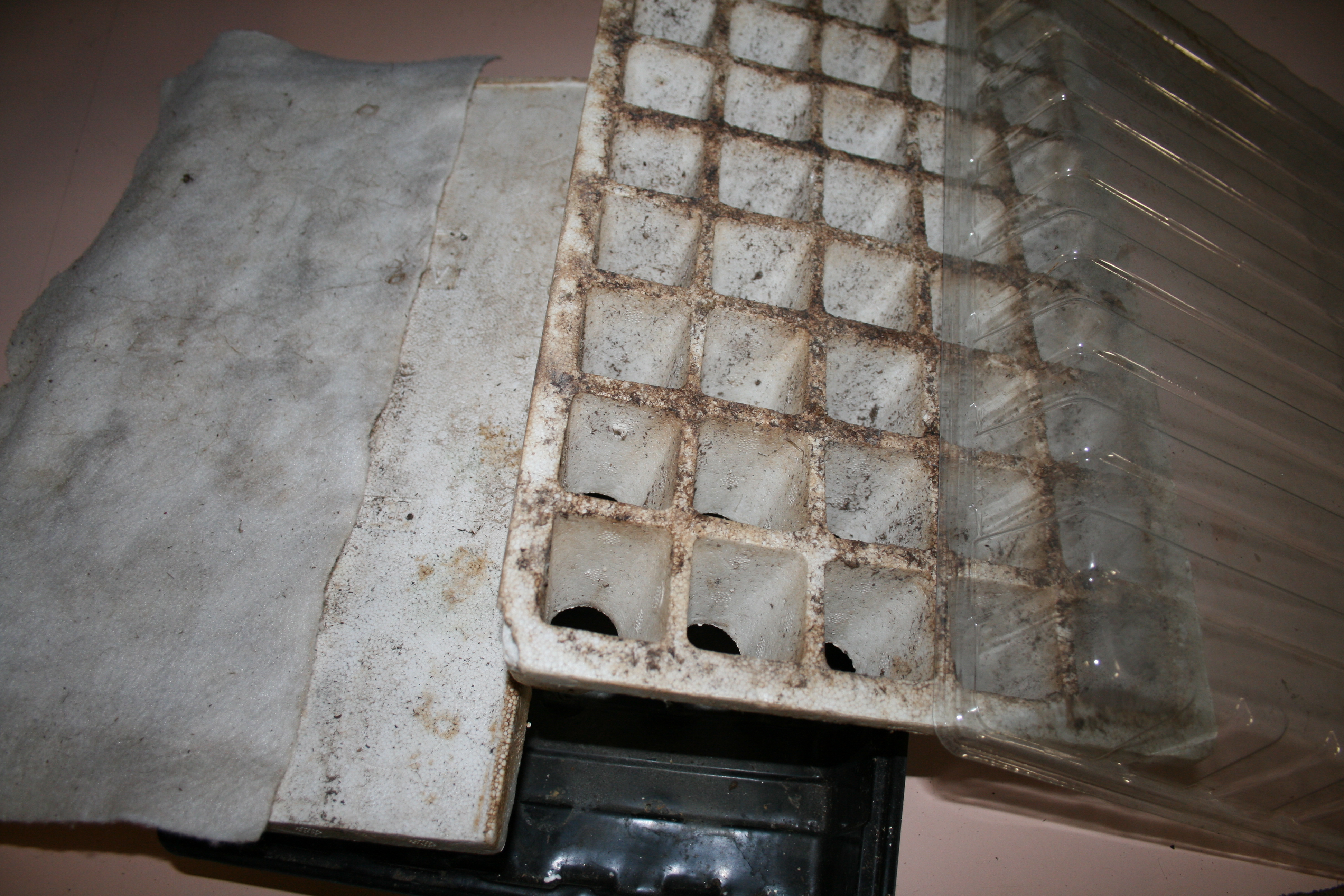
Have the right equipment and tools. Most of my gardening stuff was used when I started. It still is. My favorite seed starting tool are my seed starting kits.

Grow trays are best seed starting tools.

Grow trays are perfect for starting seeds.

I bought these 25 years ago and they are still working great!  The small cell of dirt heats up fast. The base and mat ensure the seedlings never dry out but they also never get too wet or damp off.

If you’re just starting out, don’t invest too much before you start growing. Look around and use stuff you already have or someone else can loan you. Or check Craigslist and pick up gardening equipment for a song!

I found most of my tools and you can too so don’t let the cost of tools scare you off. (The post on finding tools was written 5 years ago but it still stands as does its companion post on garden tools that are nice to have.)

Getting started is so easy. I hope you take a chance. Grow your favorite vegetable on your patio, in a pot on the back porch or in a plot in the back yard.

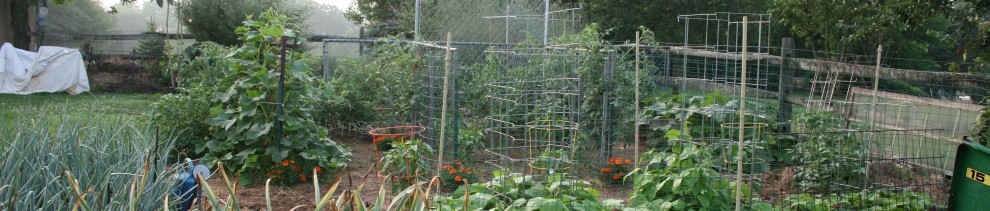
Green and organic garden in summer.

My garden in July, 2016.

Give it a shot and just 5 months from now, you could be looking at gorgeous, healthy veggies growing on your very own plants!

Looking for more tips on seed starting? Margaret Roach, one of my most favorite gardening gurus, offers her own seed starting wisdom, too.

Join in. Get your hands dirty. And start growing your own food. It’s fun and it really is easy!!

Tips for Getting Ready to Garden

Organic tomatoes on a trellis

Tomatoes enjoying their trellis.

I’m a hardcore organic gardener so, gardening never really stops for me.

My first tip: if you are really into organic gardening and enjoying fresh and truly healthy produce, ONLY buy organic and heirloom seeds from sources you trust.  Tip 1A: if you invest in organic seed, heirloom seed, consider saving seeds from your garden and using them next spring.

There are a dozen reasons to try seed saving but I can think of two that drive me. When you save seed, you:

  1. Save money and you save the planet, just a bit (and that’s all anyone can ask for).
  2. Create seeds that are uniquely adapted to your soil, your growing environment.

Here’s my second tip for anyone who wants to garden, is gardening or thinks

Bag garden waste

Bag your garden waste.

gardening prep is done in the spring. I do it all my garden clean up AND prep in the fall!

In fact, all of my garden beds get prepped in September and early October. Newly composted soil is spread on each raised bed. Fences and trellises are taken down, cleaned and stowed.

Tomato cages are pulled up off the sweet red peppers they supported all summer long and put away. My blackberries are thinned, blueberry bushes are trimmed. Elderberries, goji berries and figs are cleaned, dead wood and branches removed

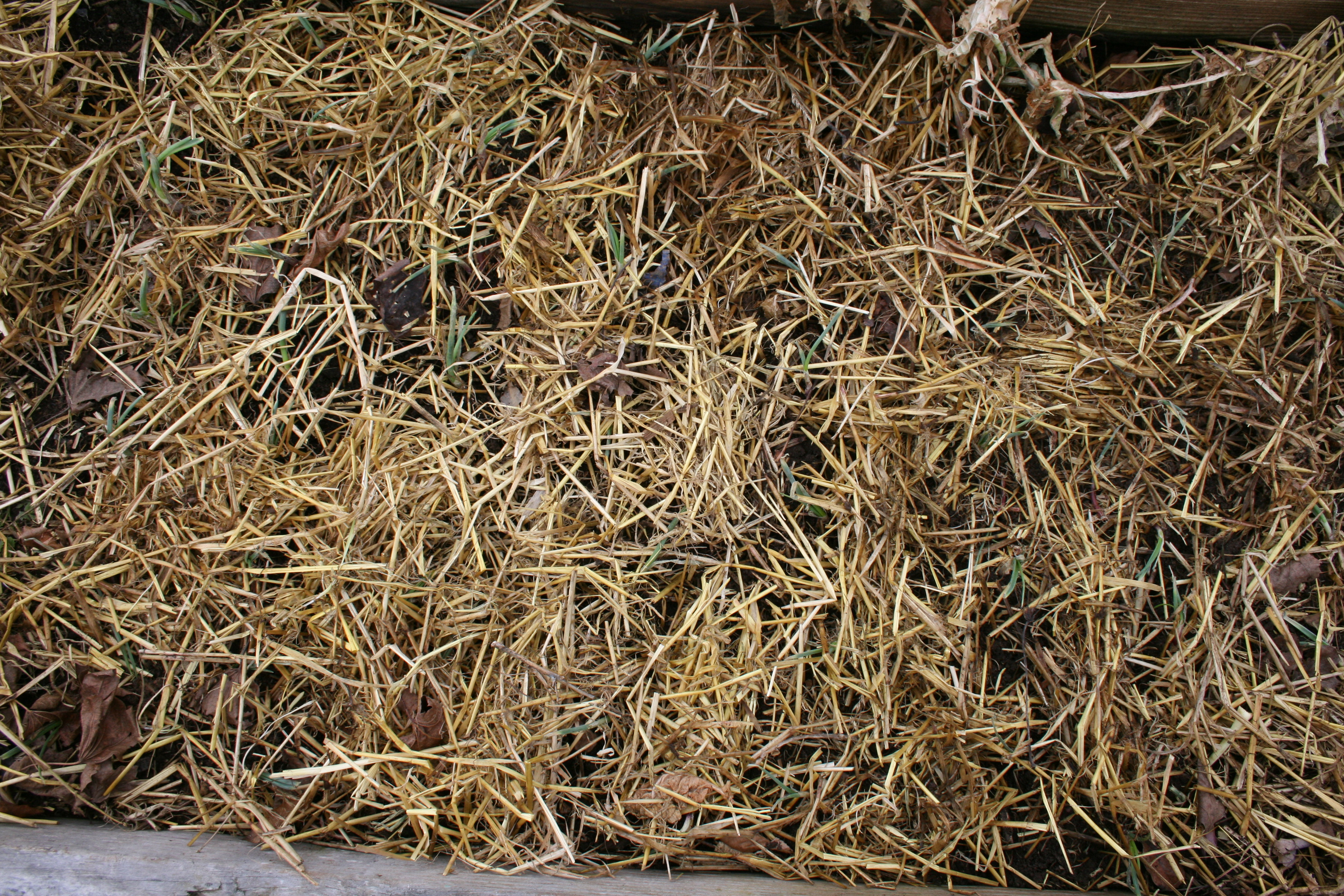
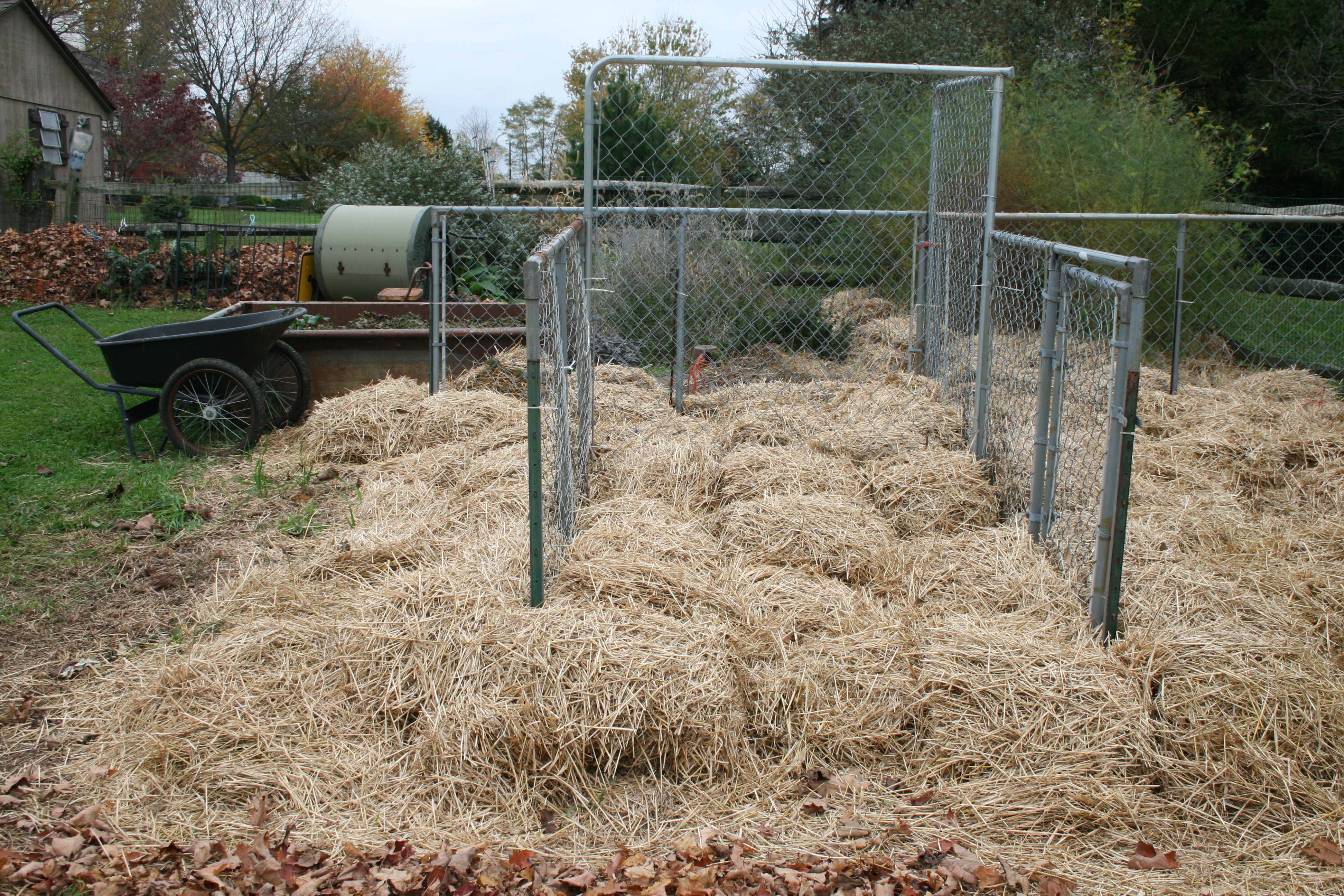
Straw protects my garden.

Straw protects my garden in the winter.

and then, all of my beds, bushes and berries get covered with straw, bale after bale of bright golden yellow straw…and every bed, bush and berry goes to sleep, dreaming of spring and another growing season.

Doing this work in the fall means that, usually, I am doing what all gardeners do in the winter  — thumbing through seed catalogs, cleaning my seed starting gear, ordering organic seed starting mix (detect a theme?) and just generally getting ready to…start seeds!

Tip number three – start planning your spring garden in November and December and start ordering any seeds or supplies you need as early as you can. If you don’t, you may be in for a rude surprise. Vendors sell out!

This year, I didn’t follow my own advice. I sort of lost all my steam and stopped. I can’t blame a “hard” winter; it’s been screwy but not a lot of snow or ice, so far. I haven’t been sick, nor has my husband. I’m not working so I can’t use that as an excuse. True confession: I’ve been hibernating this winter.

I didn’t even know I was hibernating until this morning, until one of my online buddies, Chrystal wrote about her kale and the big freeze of 2017.  After reading her post about kale and herbs and garlic and forsythia…my sap started to rise and I started thinking about March and getting growing.

I’ve missed out on some seeds I really wanted to try this year but, after inventorying what I saved and what I had left, I think 2017 is going to be a great gardening year!

To the basement! It’s time to plug in the lights, clean off the seed starting trays and get ready to grow!

DON’T BUY Gilmour Soaker Hoses

It is with my sincere apologies that I share this information:

Gilmour Soaker hoses contain “…one or more chemicals that are known to the state of California to cause cancer and birth defects.”

I have had my soaker hoses for years. When I published an endorsement of the hoses on my other blog – Write on Target, I simply had no idea that the products used to create these soaker hoses contain chemicals that are dangerous like lead, BPA and phthalates.

If you want to know what hoses to buy, which ones are safe and which ones are not, please go to Eartheasy, one of my favorite resources, and read their article on healthy hoses.

Please accept my sincere apologies for endorsing a product that is anything but healthy.

SPECIAL THANKS to Kate Russell for letting me know about the dangers of Gilmour soaker hoses…and all other hoses.

Tips for Fall Garden Clean Up

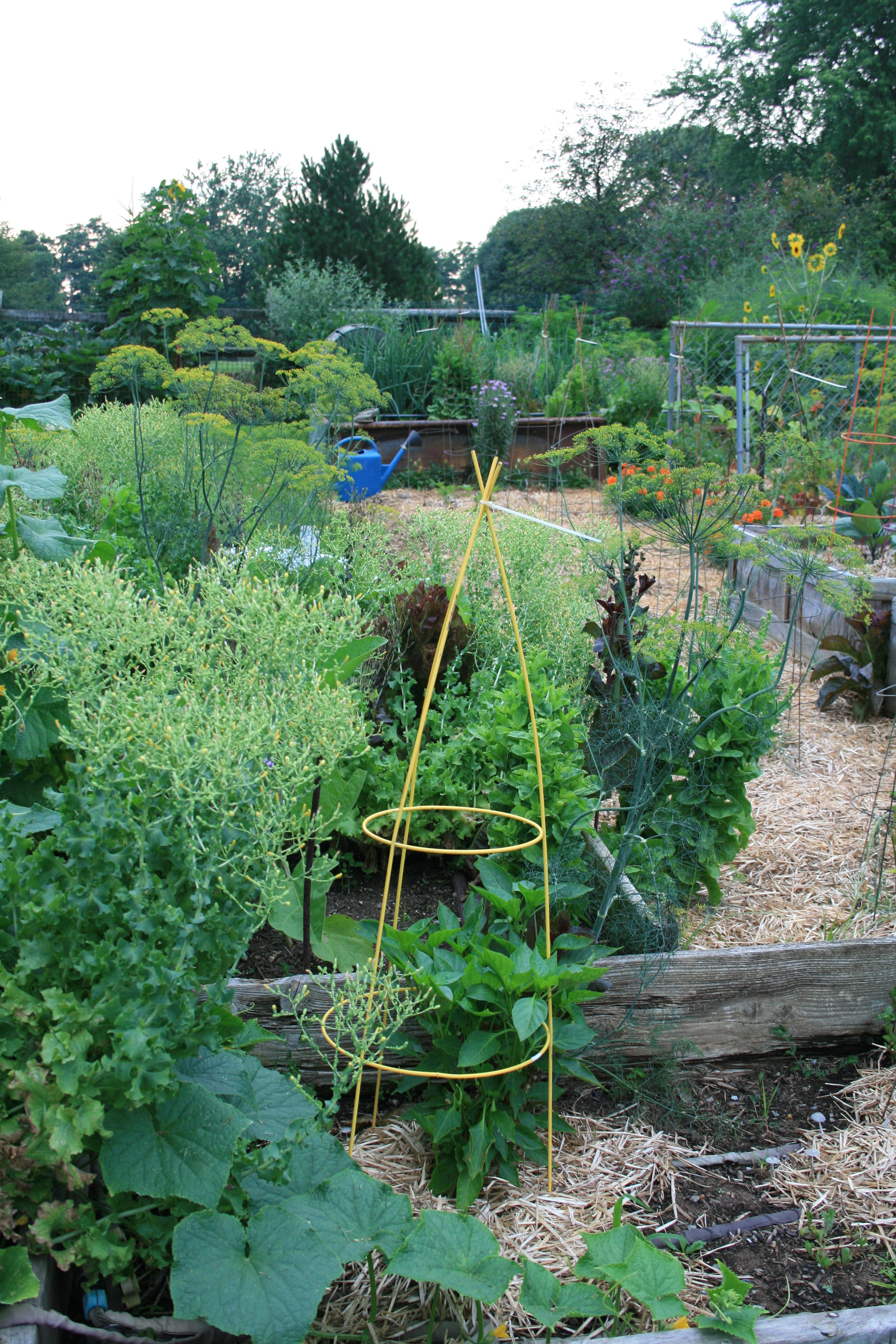
Green and organic garden in summer.

My garden in July, 2016.

T.S. Eliot got it wrong. April isn’t the cruelest month; it’s September. It’s the time of year when your garden goes from lush, green, verdant…

Tips for cleaning up your garden

Garden clean up in progress

To brown and gold broken up only by beets, Swiss chard, kale and lettuce.

Not only is the growing season drawing to a close for many of us…but it’s time to clean up!

I used to hate cleaning up my garden in the fall. When I  looked out my kitchen window and  saw more brown than green, I would grimace and think, “…next weekend.”  Inevitably, clean up kept getting pushed back by other, more pleasing events like the Brewfest in Kennett Square or the Hagley Car Show .
But not anymore.

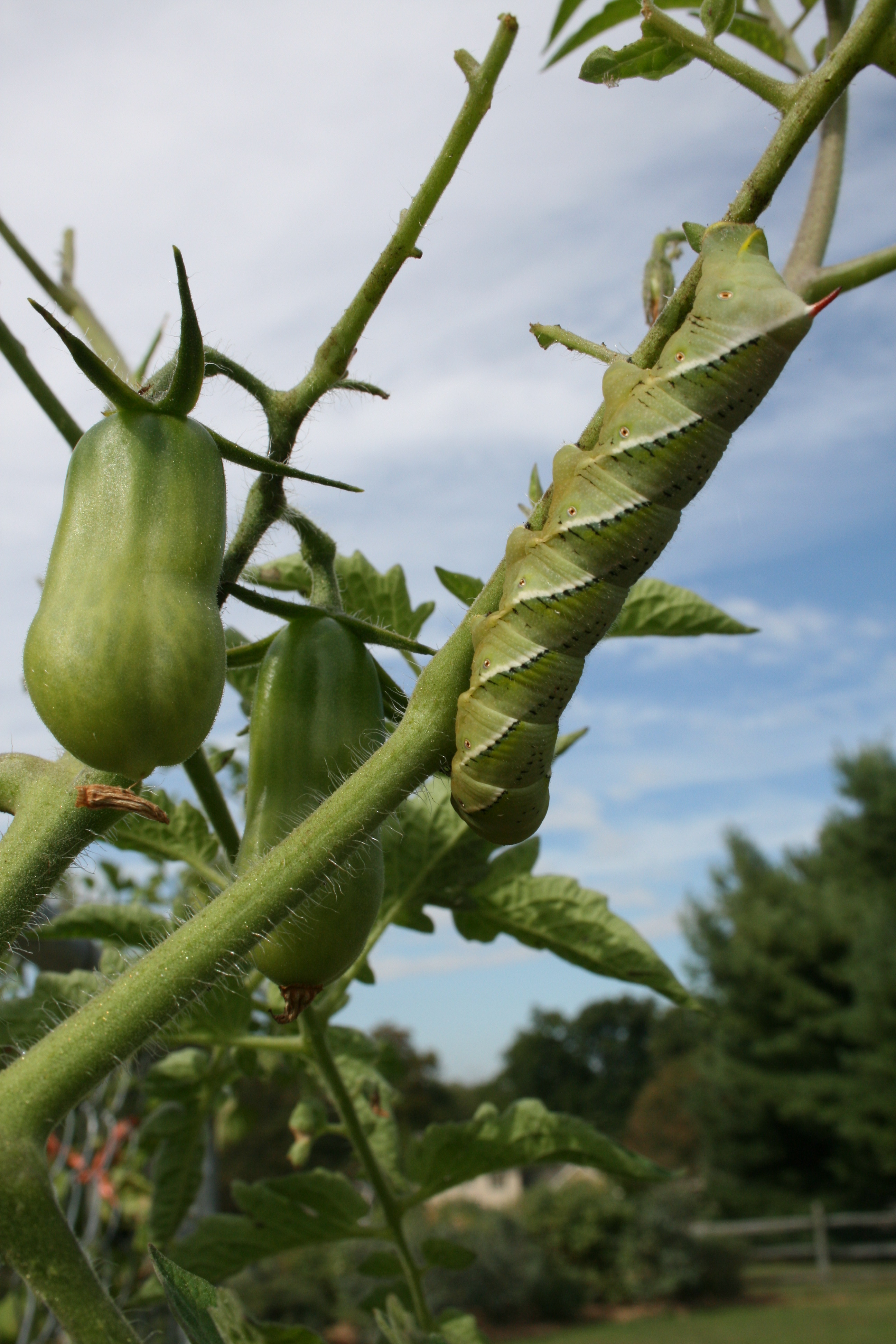
Tomato horn worm eating tomatoes.

A tomato horn worm in my garden.

I’ve discovered that cleaning up is the perfect time to find unwanted visitors like the varmint that was eating my tomatoes. This fat and happy tomato horn worm is enjoying his last meal.

While tearing down my tomato trellises, I found a dozen of these beautiful but sinister worms as I cleaned up the tomato bed. But I also learned that all but 2 were covered with trichogramma wasp eggs, like the little fellow below.

Trichogramma wasp eggs on hornworm

Wasp eggs on hornworm

Fall cleaning, removing leaves, vines and stems, raking up fallen bits and pieces of this year’s green bean and tomato plants, all these activities help me get a jump-start on my garden next spring.

Garden Clean Up Tips
Anyone who has gardened for a few years has come up with their own tips and tricks for making garden clean up a bit easier.  Having 30 years of experience behind the hoe, I have discovered a few things that might make life easier for any organic gardener.

My first bit of advice? Be prepared.  When I go out to clean up, I always bring the tools I’ll need to make it easier.  So my tool bag (actually my wheel barrow) contains:

  1. Scissors – the knots you used to tie up tomatoes will be real tight after a summer of rain and heat.  Trying to pull them off just frustrates the gardener.
  2. Secateurs – if you try to cut back blackberries or blueberries without them, the chances are you’ll do more damage than good.  These small, sharp sheers can cut through up to an inch of stalk or wood and are always in my bag of tricks.
  3. Baling Twine – picked up at the stable and used to bundle all the leggy tomato, pepper and eggplant carcasses.
  4. A shovel – I sometimes need to coax some of the plants from the ground.  Eggplant and tomatoes get stems more than an inch in diameter and their roots can extend up to 10 feet from the base of the plant.  So, a bit of shovel power comes in handy.
  5. A rake – I prefer the good, old-fashioned garden rake because it’s heavier than a leaf rake and the tines won’t work against me as I rake up fallen tomatoes and peppers.
  6. A bucket – I use an empty kitty litter container and I use it to pick up all the green or rotten produce that hits the ground at the end of the season.
  7. Garden gloves – I consider these optional.  I always start out wearing them but, inevitably, rip them off about 30 minutes into clean up.  I like the way the dirt feels on my hands.  But the manicure does suffer so it’s up to you whether you wear them or not.
  8. Large trash bags – I didn’t use to bag any of my garden waste but I learned that trying to compost vines from tomatoes, zukes, cukes and even green beans meant giving diseases like wilt a head start next spring. It also meant providing warm, cozy homes for Mexican Bean beetles and cucumber and squash beetles among others.

Clearing The Ground
This is always the worst step for me.  I really hate pulling off tomato cages, cutting vines out of my fence sections and tearing up the roots of the dying plants.  But once I get started, I actually enjoy it!

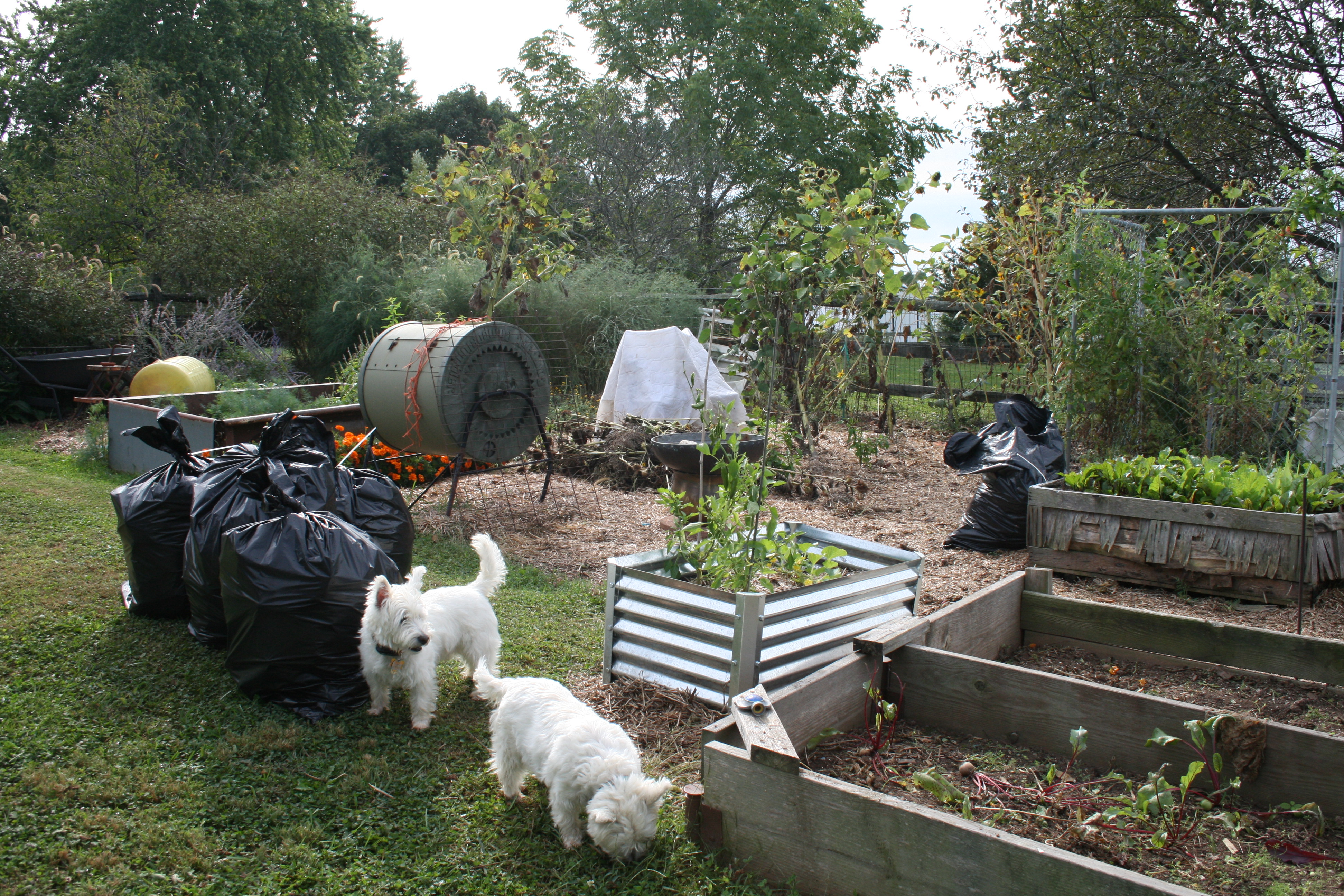
Bag garden waste

My dogs helping me to bag .

I pull all plants (except perennials), shove the waste into bags and stack them on the edge of the garden. I know some people put their plant bodies in the compost but I don’t. Why not?

If you’re a slow composter like me, letting nature and God do the work for you, you probably shouldn’t put your garden detritus in the bins, either.  Seeds will germinate.  Diseases will survive.  When you spread your compost next year to welcome your new seedlings, you may be welcoming some very unwanted visitors.

One last task remains before you can move from clearing to covering.  If you grew tomatoes, grab a bucket and pick up all of the fallen tomatoes off the ground.  If you don’t you will have a whole lot of baby tomatoes to pull up next year.  This is a gooey task but well worth the effort.

Once the ground is cleared, it’s time to cover it. I use straw and a lot of it. It mulches the ground, protects perennials and annuals like garlic and beets and sets me up for weed free gardening in the spring.

I use about 40 bales of straw  to cover everything including the blueberry and blackberry patches, the vegetable garden, raised beds and asparagus.  That may sound like a lot but by next spring, the 18 inches of straw I lay down now will have settled and started to break down.

Bug Control – A Pre-emptive Strike
I offer one last bit of advice for wrapping up the growing season and getting ready for your garden next spring.

During the growing and harvesting season, I don’t use any bug control except what I detailed in Getting Bugged.  However, if it’s been a very bad year for Mexican bean beetles, Asian Beetles, Japanese Beetles and Stink Bugs, just before I cover my garden, I do spray the straw remaining from last year and the ground in my raised beds.

Before you gasp, click unsubscribe and cry, “…traitor,”  know that I use only one product — Pyola.    The active ingredient is pyrethrin which comes from chrysanthemums and is mixed with canola oil.  I use Pyola to control next year’s bugs by killing the larva that are now safely snuggled into my garden ground.

NOTE:  Pyrethrin is a contact poison which quickly penetrates the nervous system of the insect.  It will affect bees and some  beneficials so I wait until I have had two hard frosts to use it. I want to make sure there is no insect activity in the garden.   Also, pyrethrin is harmful to fish so if you have a pond or your garden borders on a stream, don’t use it at all.

Cornell University’s post on its ExToxNet provides a very thorough idea of what pyrethrin is, how it works and what it might do in the environment.  Read it before you use it so you’ll know if it will work in your garden.  And don’t use it if you don’t have to.

So that’s my version of garden clean up.  Clean up really isn’t that hard but I avoid it because it signals the end of the growing season and the approach of cold winds and falling leaves.    It also means time for dreaming and planning next year’s garden…