2015 -Year for Garden Bugs & Pests

The annual invasion of all the bugs you wish you never saw is starting early this year.  Looks like 2015 may be a hard year on the garden, the veggies and…me!

I started coming to this conclusion when the ticks started walking through the door, well, being carried through the door. We have 4 dogs – never meant to have 4 but rescued 2 so now we have 2 Westies, a Jack Russell terrier and a

Dogs enjoying a break

Rescued Jack Russell and Mini Schnauzer sharing a chair.

Westie pups in the back yard.

Our Westies doing the stick dance when they were puppies.

Mini Schnauzer.  About 3 weeks ago, they all turned in to “tick magnets.”

Between them, they have brought in a total of 13 ticks, so far!

Hubby and I don’t have flea collars on so we are the preferred hosts!  How do we handle them?

  1. We check ourselves frequently – hairline, back of neck, back of knees.
  2. We pluck them off before they bite & burrow and toss them in hot, soapy water or, oddly enough, soy sauce.
  3. We also “burn” them literally but be careful if you do.

We don’t flush them down the toilet – they sometimes come back up.  And we don’t smash them or cut them in half; they carry bacteria and you could spread them if you are not careful.

Keeping your tick population down isn’t easy but Mike McGrath has some tips.

Ticks were my first sign that this would be a year of bugs.  Then, yesterday morning, I found a wire worm — actually what’s known as a “bug-eyed” click beetle – on my back patio.

Bug-Eyed Click Beetle

This beetle is not dangerous to people or pets but it likes plants and plant nectar.

I literally haven’t seen one of these little dudes in 22 years.  They like to snack on plant juice….and what better place to find it than in my backyard in my organic garden!

This afternoon, I had my first “close encounter” of 2015 with a Bald-faced Hornet.

Now, I don’t mind these hornets hanging about because they do pollinate but I need a bit of time to get used to the idea that they are back in the neighborhood.
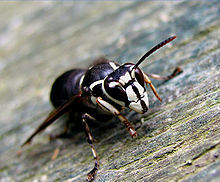
Bald-faced hornet

Bald-faced hornets are not the easiest of neighbors.

Although they’re not really hornets (from the yellow jacket family), they sure bite like hornets and they are as aggressive.  And they are usually not in my backyard quite this early .

The hornets and I have an agreement, though.  I go out early to pick blackberries and blueberries and they don’t bite me!

So why are these bugs showing up here, now?

I’m not sure but these harbingers appear to be telling me that despite the desperately cold winter, the bugs are “incoming,”  now!

I’m girding up my loins…right now and dusting off the rocks and other totally organic weapons of mass destruction in preparation for doing organic battle with bugs!

COLD Air in the Mid-Atlantic & My Garden is Shivering!

Holy cats! It’s so cold here that the heat came on last night!  Temps dropped into the low 40’s and the wind has been keeping up a constant dialogue, sweeping across my recently planted veggie babies at speeds between 15 and 20 MPH with gusts into the 30 MPH range.

Organic blueberries and zuchetta

Zuchetta share space with blueberry bushes.

All of my warm weather plants are speed dialing their lawyers.

But it is May.  And there always is a bit of back and forth with the weather before everything settles down and the warm nights and warmer days of summer arrive.

I did bank straw up around the peppers, eggplant, zuchetta, summer squash and tomatoes.  And I talked with them a bit about the current conditions and the expected warming trend.

I may lose some of my plants.  And some of them may just slow down their growth but, by and large, most of them will be okay.  And so it goes in the beautiful but not always predictable world of growing your own organic produce.

How are your newly planted gardens faring?

2015 Organic Garden in the Ground!

I got all of my plants in the ground – wrapping up planting today.  All organic seed, all raised by me in my basement and all hand-planted.

Granted, the garden doesn’t look like much right now but give it a few weeks and the size and shape of every plant will change as they fill in their spaces!

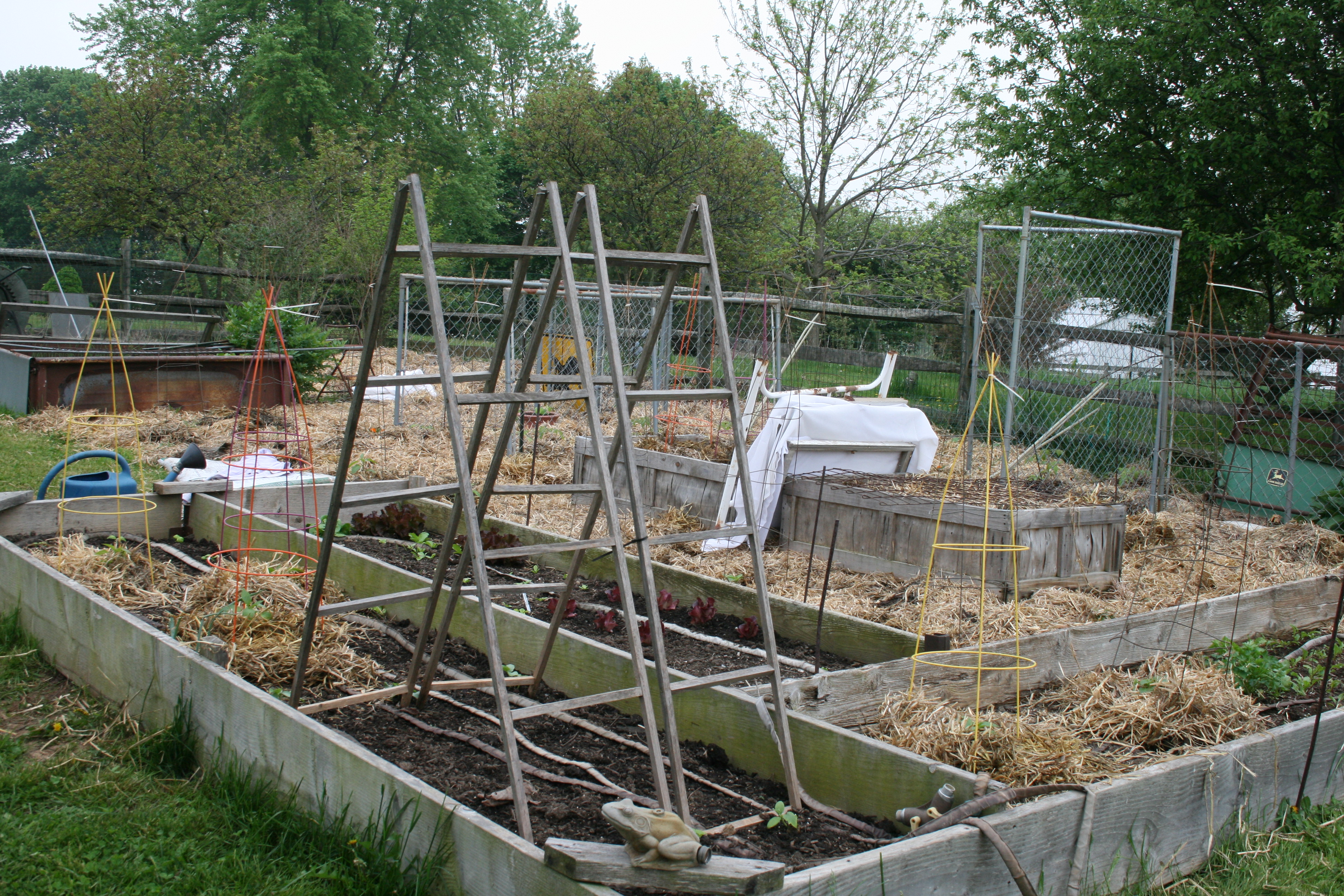
My garden is all planted.

All my plants are in the garden and ready to grow.

Here’s the inventory!  And, instead of talking about them, here are pictures of the newly transplanted, beautiful babies.

Eggplant baby.

Eggplant transplant just in the ground.

I put in 4 different types of tomatoes – 12 plants – Golden Slicer, Fir, Fox Cherry & San Marzano

Sweet Italian Peppers – 14 plants

Organic Italian sweet peppers

Inverted tomato cages help support my Italian sweet pepper plants.

Eggplants – 5 plants – Dusky and Melanzana Prosperosa

Zukes – 3 plants – saved seeds from last year’s Italian Zuchetta

Cukes – Saber F1 from Seeds of Change and Cetriolo from Grow Italian.

Kale – 10 plants – Curly, Russian, Dino & some unknowns from Adaptiv Seeds

Beets – lots and lots of plants – Cylindra and Early Wonder

Lettuce – Butterhead, Red Oak & a mix of saved seeds from last year and

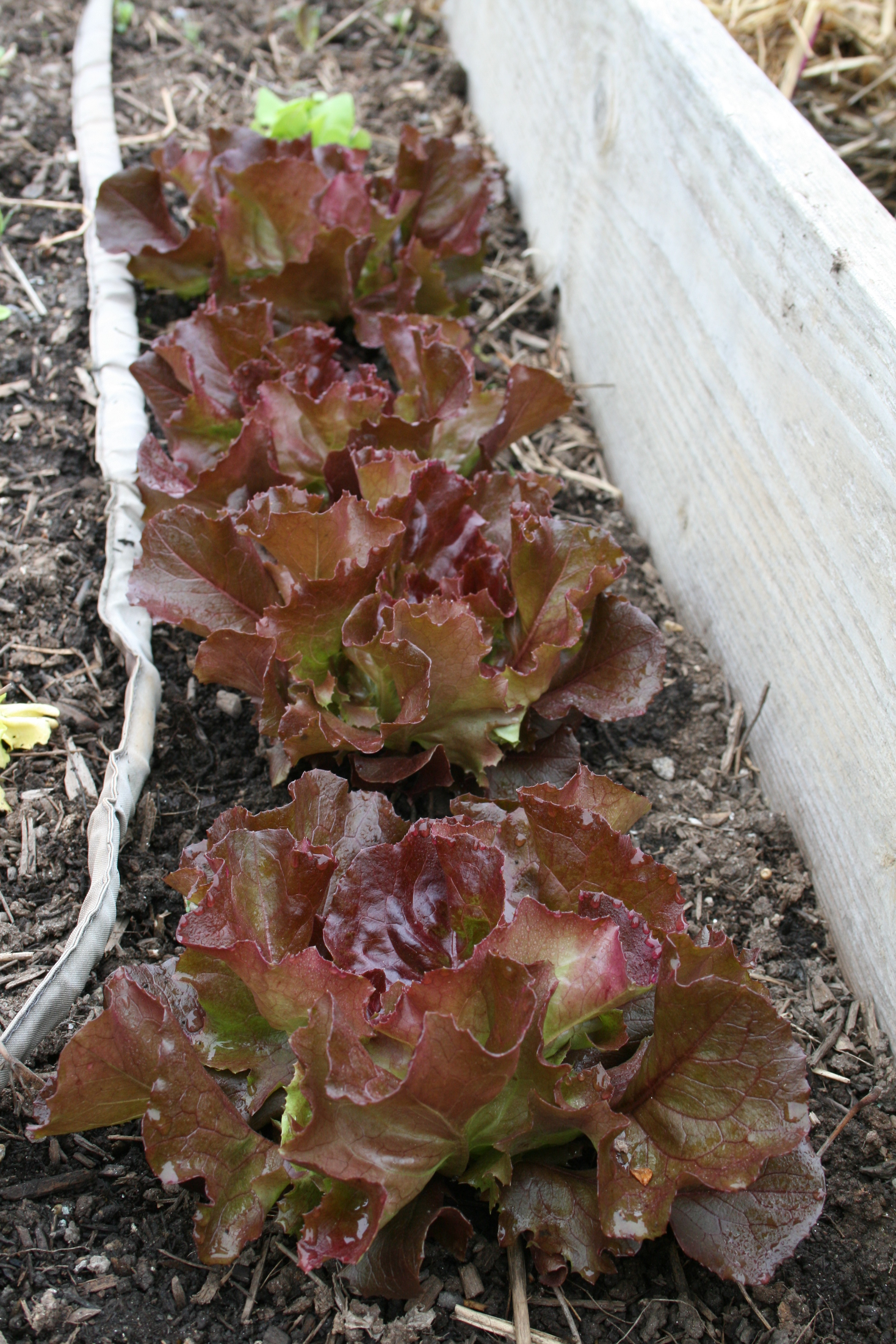
Organic red leaf lettuce

Organic red leaf lettuce grows quickly and tastes sweet by itself or in salads.

Onions – 100 plants which I did not raise. I got these from an Amish friend.

Oh, and my thornless blackberries are growing and greening up!  And right below them, my gorgeous blueberries are covered with flowers.  Planted once, harvest every year for 20 years+ – organic gardening really is easy!

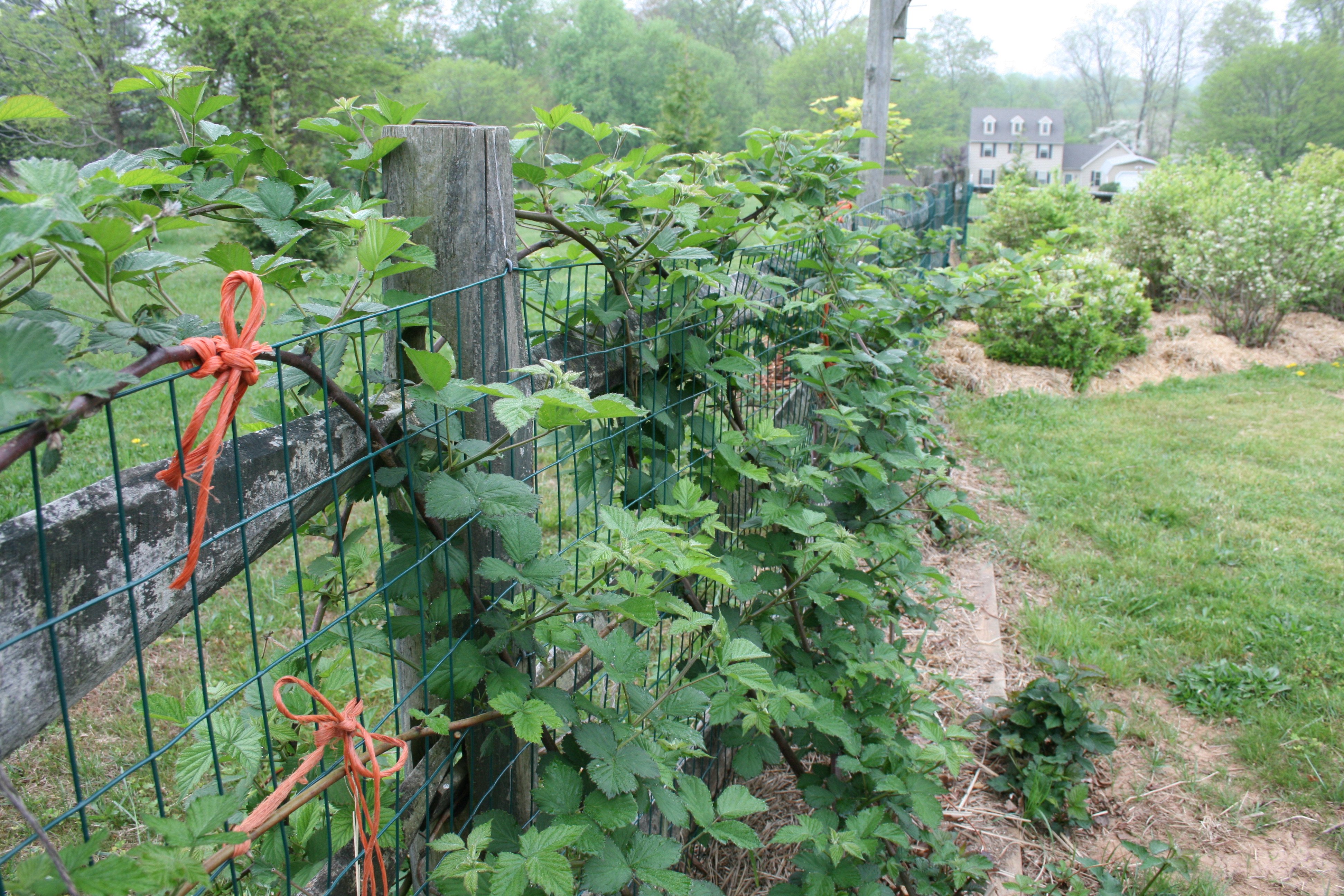
Thornless blackberries

My Doyle thornless blackberry bushes getting ready for summer.

Blueberry bushes laden with flowers.

Every flower on every blueberry bush becomes a blueberry — 60 quarts every summer.

Avoid GMO Food – GROW YOUR OWN!

Lettuce, spinach and onions growing in raised truck bed.

Cool weather and cool raised bed of a 55 Chevy truck making for happy lettuce, spinach and onions.

Organic gardening is the easiest, best way to avoid all the GMO foods currently on the market – estimated to be 80% of US food chain.

I know – I wrote the book on just how easy it is to get going and get growing.  And I share tips and tricks on how to raise just about every possible vegetable and fruit you can find in the store (well, no kiwi, avocado or olives – too cold here).

Now, another doctor adds his voice to the growing chorus of educated, intelligent people who just don’t want to eat “frankenfood” that is definitely affecting our health and our children’s health.

Grow lettuce. Try blueberries – in pots or the yard.  20110628_0377

Heirloom tomatoes growing up happy with just sunshine and epsom salts!

Heirloom tomatoes on the vine in my backyard just weeks away from picking!

Add tomatoes and peppers.  And start being sure where your food has been and who it’s been hanging out with.

Share your ideas, your recipes and your success stories with other gardeners – just step out onto your patio or into your yard and start down the path to healthy food, health eating and healthy lives.  It is…oh so easy!

Homemade Eco-Friendly Pest and Disease control | Railway Parade House and Garden

I love it when a fellow gardening enthusiast (okay, let’s face it, we are gardening nuts) posts tips and trick to control pests and diseases!

Matt lives outside Sydney, Australia and shares his gardening trials and triumphs on his blog – Railway Parade.

His tips include household items you can use to make organic pest control sprays — some of his choices are just like the ones I offer  especially in part 2 of “…weapons of mass destruction.”

I hope you enjoy these organic, safe methods for killing pests and disease in your gardens!

Homemade Eco-Friendly Pest and Disease control | Railway Parade House and Garden.

A School Garden & The Green Bronx Machine

Schools should be places where kids just don’t learn to repeat back answers for standardized tests.  They should be places where kids grow, are exposed to new and different things and actually want to be in the classroom and involved.

As a long time, organic gardener, I know, anecdotally, that showing kids how to grow their own food, sharing time and knowledge with them, and letting them get their hands dirty, literally, make them excited about learning.

Now a school, a teacher and a group of students are proving that my theory is correct.

The school is in South Bronx; the teacher is Stephen Ritz.  And his students  at PS 55 have grown more than 30,000 pounds of produce in vertical aeroponic growing systems called Tower Garden.

All gardeners know that there is so much you can learn just by digging in dirt.  Now hundreds of students are learning and growing in the heart of one of the biggest cities in the country.  It’s a beautiful story and one I had to share.

A School Garden Born in a Food Desert May Change the Way Kids Eat—and Learn | TakePart.


Growing Organic Blueberries is EASY!

Want to raise your own organic fruit?  Why not start with the easiest and one of the tastiest fruits first?

Blueberries win that contest hands down.  Long before edible landscaping was popular, I began exploring ways to raise fruit like blueberries, one of the more expensive products you’ll find in any store.

Organic blueberries on the bush

My organic blueberry plants yield 40 to 60 quarts every summer and take little or no work.

I put in 12 plants – 4 different varieties and I’ve been harvesting blueberries ever since – 4o to 60 quarts a summer!

That translates to a savings of $500.00 every year and that’s a conservative estimate.  That’s $7500 in my pocket for an initial investment of less than $100.00!

You’re probably thinking, “Oh, I don’t have enough space.” or “I can’t grow anything.”  Or my favorite, “I don’t know how.” I am here to tell you blueberries are one of the easiest fruits to grow…period.  And I’m going to tell you how to do it.

Pick the spot where you will plant them
Even if you are putting them in pots.  Why?  Two reasons. Blueberries need sunlight and lots of it so pick the sunny side of your house, a sunny spot in your yard or a sunny patch on the deck to plant them.  Blueberries also need good

Organic blueberries growing in my back yard.

Organic blueberries don’t need much to produce – sun, water, mulch and time.

drainage so don’t pick the soggy spot in your yard where nothing ever grows.

Pick the bushes you want to buy
I got mine at Miller’s Nursery (now Stark Brothers) 15 years ago and had to figure it out on my own.  But Miller’s has made it even easier to choose, now.  They tell you about each plant including how hardy they are, how tall they’ll grow and when they fruit.  They even have collections! So whether you’re potting your plants or using them to landscape around your house, it will be easy to get the right ones.

Make sure your dirt is good for their roots.  Blueberries like acidic soil – a ph of 4 to 5.  Any nursery can help you buy the right dirt if you’re potting.  And your local Ag Extension office can test the soil in your yard to see what you have to add.  NOTE:  I didn’t test; I just planted and all of my bushes survived and grew.

Plant them the right way.  For plants, take the plastic pot off, lightly roughen up the outside surface of the root ball. Set the top soil line of the plant about 1-2 inches higher than the existing ground and firm around root ball. Mound soil up along sides of exposed root mass. Water well.   For bare root plants, spread roots out wide and shallow, cover with 1/2″ of soil. Firm soil around roots and water well.

MULCH!
This is one of the best ways to ensure your blueberries will “live well and prosper” at your place.  Blueberries are shallow rooted.  If you don’t mulch, anything from frost, to extreme heat to rabbits can find and damage the roots.  But don’t think you have to buy expensive mulch!  Use my trick – newspaper and straw.  That’s right – Scott and Helen Nearing’s method.  It’s cheap, it provides fertilizer because the materials are acid and do break down and it makes my blueberry patch…weed free.

Sit back and watch them settle in and grow!
In an average year, I harvest up to 60 quarts of blueberries.  That’s 120 pints and 240 1/2 pints of organic, good for you and good tasting blueberries.  I eat them, make low sugar jam (using Pomona Pectin) out of them, freeze them and enjoy them even in the dead of winter!

If you grow your own blueberries, you don’t just save cash, you get all the health benefits that these tiny, blue jewels bring to your table.   Blueberries are one of the superstars on the healthy foods list. Only 80 calories per cup and virtually no fat, packed with vitamin C, a ready source of fiber and near the top of the list when it comes to antioxidant activity per serving.  How could you resist them?

 Bob’s Blueberry Buckle
¾ c sugar
¼ c butter
1 egg
2 c flour
2 tsp baking powder
1 tsp salt
2 c blueberries

Topping:
½ tsp cinnamon
½ c brown sugar
1/3 c flour
¼ c butter

DIRECTIONS:
Toss blueberries in a little flour.
Make topping.
Mix all ingredients for cake together.
Stir in blueberries.

NOTE:  This is a very, very thick batter.  Don’t worry about it.  Just pat the cake batter into a 9 inch square baking pan.  Sprinkle with topping and bake at 375 for 40 to 45 minutes.  While it’s baking, soften the butter and stand back.  When it comes out of the oven, there is nothing better than warm blueberry buckle, buried in butter.

Margaret Roach Holds Open House

If you live anywhere near Margaret Roach’s New York home, you should sign up for her open house in May.

Roach, who has written three books including ” A Way to Garden, I Shall Have Some Peace There and Backyard Parables, was also the leading garden writer for 25 years at Martha Stewart Living.

She hosts  a public-radio show and, on rare occasions, opens her 2.3 acre spread in the Hudson Valley to experts and visitors for a day of delightful learning and sharing of all things gardening.

But what’s really wonderful about this accomplished woman is how very human she is, how real and how willing she is to share mistakes, secrets and her special gardening friends.

Her open houses fill up fast so visit her site and sign up if you can go.  Then share what you see, learn and love about visiting with this extraordinary author, gardener and fellow human being.

How To Grow Spring Crops

Encore blog: Today is the first day of Spring, 2016. It snowed here and more snow is predicted for tonight. As usual (see below) I tend to put cool weather crops like beets, lettuce and kale, in the ground early. My weather has been so unpredictable here in the Mid-Atlantic for the lasts couple of years but win, lose or draw, I usually just plant.

Some tips on getting cool weather crops started and some cheap tips on how to protect them when snow and frost return to their curtain calls.

Window frames protect plants from frost.

Old sheers stapled to old window frames.

It was gray and cool day, perfect weather for the baby plants that I put in the old ’55 Chevy truck bed!

Lettuce, spinach and onions growing in raised truck bed.

Cool weather and cool raised bed of a 55 Chevy truck making for happy lettuce, spinach and onions.

All of butterhead lettuce and the spinach slid right into the soil and the plants responded to the cloudy skies and low temperatures beautifully.

The oak leaf lettuce (lower left hand side of the picture) didn’t fare as well.  It got a bit battered by the wind which rose to 35 miles per hour the day after transplant.

Baby beets grown indoors from seed.

Beets started indoors can be transplanted outdoors as soon as you can work the soil — if you protect them from frost.

Next to go out, will be the baby beets I started in the basement from seed.

I used a 40 cell propagation tray and put 2 or 3 seeds in each cell. When I transplant the beets, I will separate them by gently teasing apart their tiny roots (cilia). Using a pencil, I will punch a hole in the ground and set each beet in, tamping gently around the stem.

The kale, which is a mixture of dinosaur, curly and seeds from Adaptiv which came from around the world, will go in on the same day as the beets.

And if another frost is in the forecast, it will be easy to protect all these small plants using materials I got for free. The old window frames came from a friend’s house.

Window frames and sheers protect baby plants

Free row covers from old window frames and sheers

The sheer curtains came from my own living room. Both were being replaced and could have been thrown out but I saw opportunity. I knocked out the glass and cleaned the frames up a bit. Then I stapled the curtains to the window frames. In 20 minutes I made half a dozen “raised bed” covers.

These covers can be used year after year and make protecting transplants easy.

Protect cool weather crops with window frames

Sheers stapled to window frames

Just make sure your raised beds are the same width as the length of the windows so you can use the sides of the beds to prop up your covers – just lay them across the raised bed and…instant coverage.

Are your transplants in the ground yet? Are you getting ready to harvest? Share the state of your garden and any tips you have for getting plants into the ground!

Happy gardening, everyone!

What is landscaping? – ArtyPlantz

I love this essay; I love the underlying thought and philosophy it is base on.  What is landscaping? – ArtyPlantz.

Looking out my kitchen window at my back yard, I have never thought of what’s

ArtyPlantz changed landscaping for me.

Back yards are more than landscaping; they are healing places.

growing out there as anything more than either a means to an end or “mine.”

Blueberries, blackberries, apple, pear and cherry trees live side by side with vegetable and herb beds.  Flowers grow around all of them.


This morning and every morning, hereafter, because of this essay, what I see will be forever changed.

With the rising sun, I will begin to look at my back yard as a bit of heaven on earth, a place where the wonders of nature – sun, rain, seeds, wind, all conspire to create a healing place full of plants, full of wonder.

I believe I will begin to understand that I am just the caretaker of this bit of heaven…not the creator of it.  And I know I will feel the richness, the peace and the joy that sprouts in this bit of land even more deeply now, thanks to ArtyPlantz.

ArtyPlantz is a group of people working hard to “grow” love for plants and trees in their homeland.  As described on their website, this group is located, “In the heart of The Garden City of Bangalore, we are located in R T Nagar, just a few minutes away from Mekhri Circle, Palace Grounds.”

Perhaps, someday, I will visit their little bit of heaven but even without traveling half way around the world, I feel as though I have touched and been touched by this amazing group.

NOTE:  ArtyPlantz is a member of the LinkedIn group – Grow Girls Grow Organic.  For more posts like this one or to share your ideas, tips and thoughts, please join our organic gardening group and help us change the world!